 South Africa
 road signs and their meanings
All 133 road signs a learner driver needs in South Africa, grouped by type. Each sign shows its official design and what it means.
Road signs test: South Africa
20 real signs used in South Africa, picked at random from all 133. Choose what each one means. You get a new set every time you play.
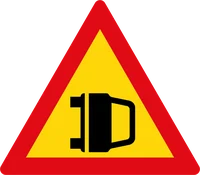
What does this sign mean?
Regulatory signs
Rules you must obey: stop, give way, speed limits, turns and parking.
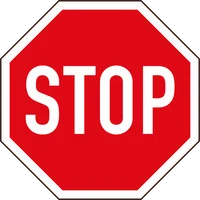
Stop
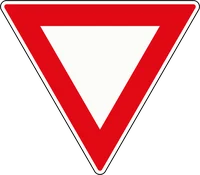
Give way
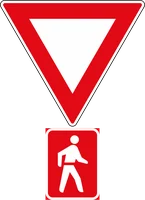
Give way to pedestrians
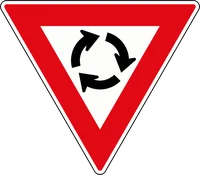
Give way to traffic in the roundabout
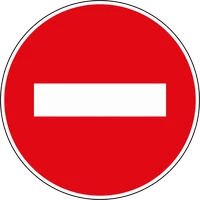
No entry
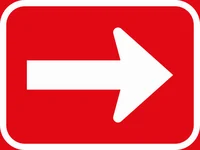
One-way traffic, to the right
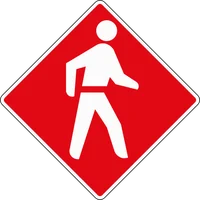
Pedestrian priority zone
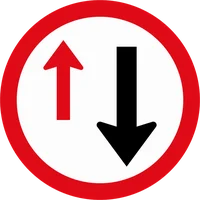
Give way to oncoming traffic
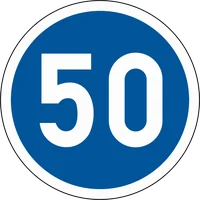
Minimum speed 50 km/h
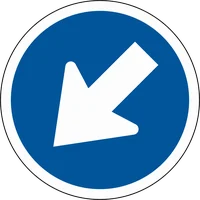
Keep left
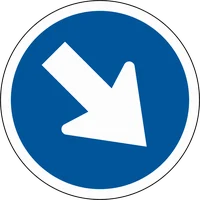
Keep right
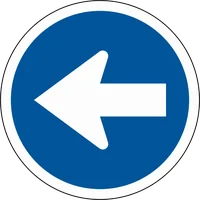
Turn left only
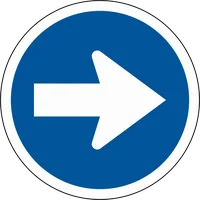
Turn right only
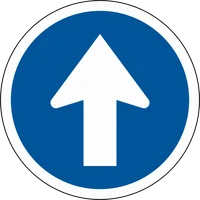
Proceed straight only
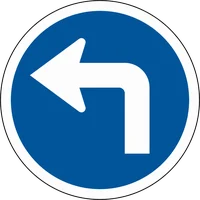
Turn left ahead
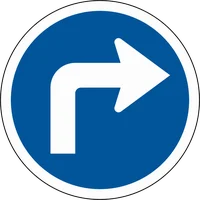
Turn right ahead
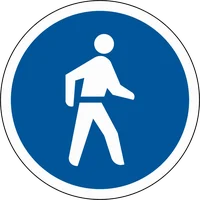
Pedestrians only
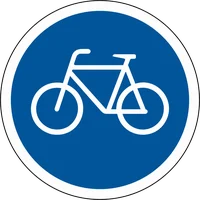
Cyclists only
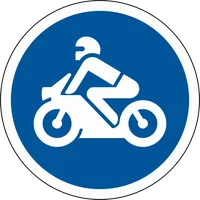
Motorcycles only
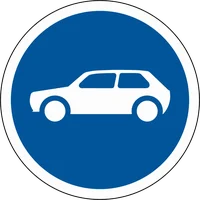
Motor cars only
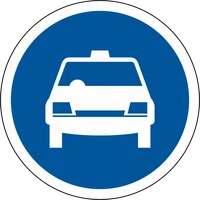
Taxis only
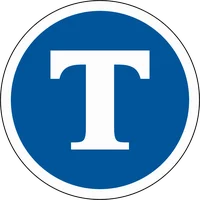
Toll payable ahead
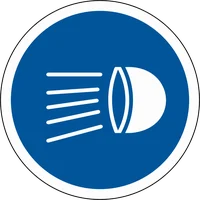
Switch on headlamps
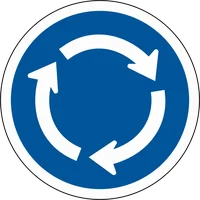
Mandatory direction of travel at roundabout
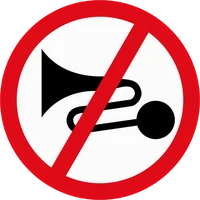
No hooting
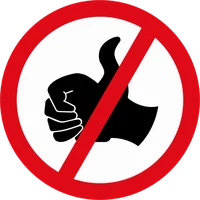
No hitch-hiking
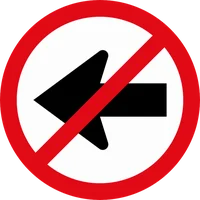
No left turn
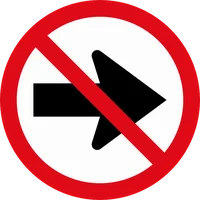
No right turn
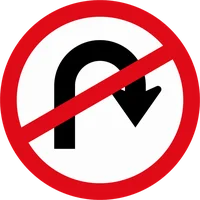
No U-turn
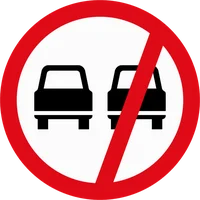
No overtaking
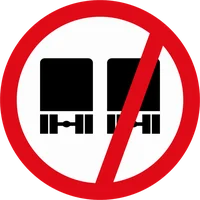
No overtaking for heavy vehicles
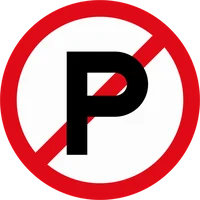
No parking
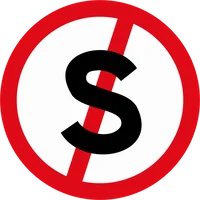
No stopping
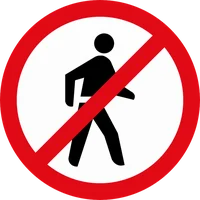
No pedestrians
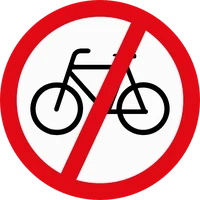
No cyclists
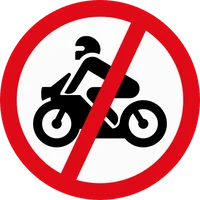
No motorcycles
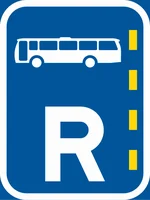
Reserved lane for buses
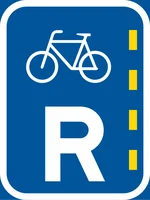
Reserved lane for bicycles
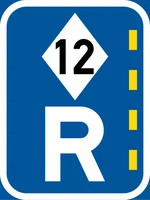
Reserved lane for high-occupancy vehicles
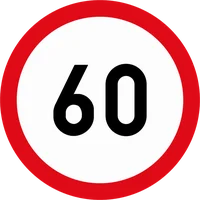
Maximum speed 60 km/h
Warning signs
Hazards and changes ahead, such as bends, junctions, crossings and animals.
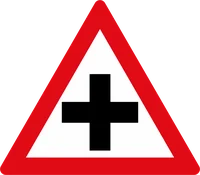
Crossroads ahead
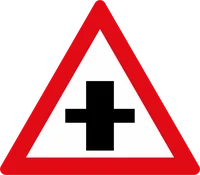
Crossroad ahead, you have priority
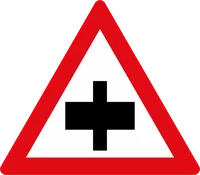
Crossroad ahead, give way
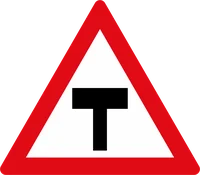
T-junction ahead
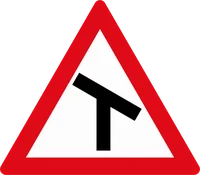
Skewed T-junction ahead
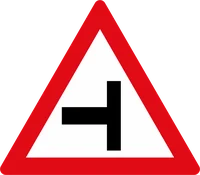
Side road junction ahead
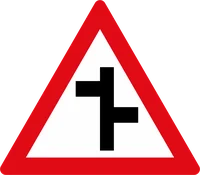
Staggered side road junctions ahead
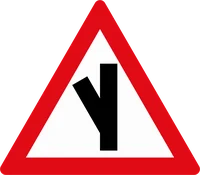
Sharp junction ahead
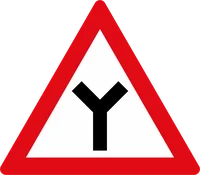
Y-junction ahead
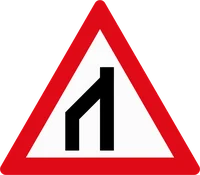
Dual carriageway ends ahead
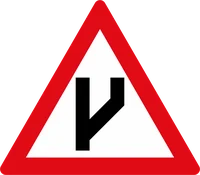
Dual carriageway begins ahead
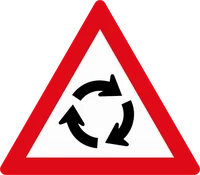
Roundabout ahead
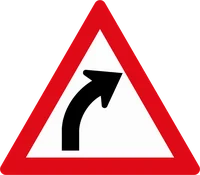
Gentle curve ahead
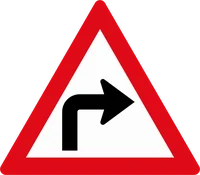
Sharp curve ahead
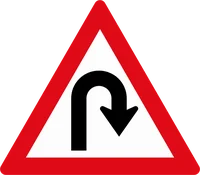
Hairpin bend ahead
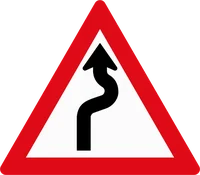
Winding road ahead
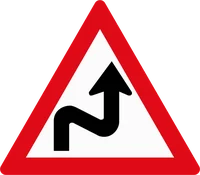
Series of curves ahead
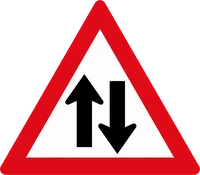
Two-way traffic ahead
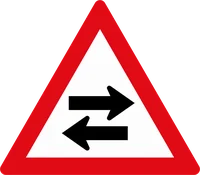
Two-way traffic crossing ahead
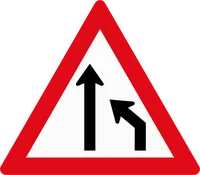
Right lane ends ahead
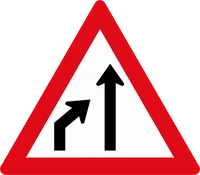
Left lane ends ahead
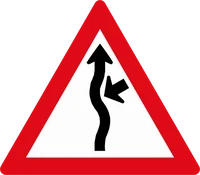
Hidden driveway ahead
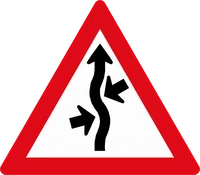
Hidden driveways ahead
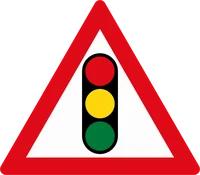
Traffic signals ahead
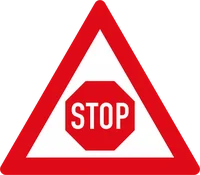
Stop control ahead
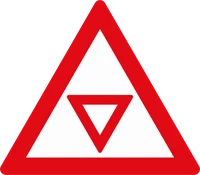
Give-way control ahead
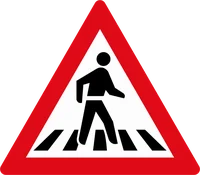
Pedestrian crossing ahead
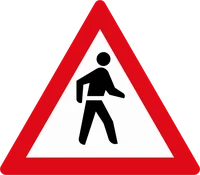
Pedestrians walking on road ahead
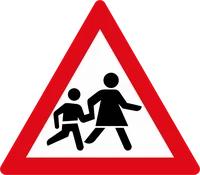
Children ahead
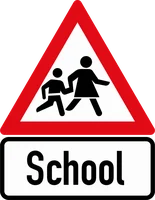
School zone
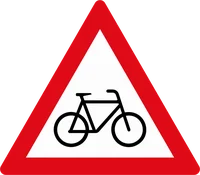
Cyclists ahead
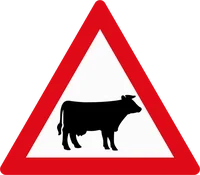
Cattle ahead
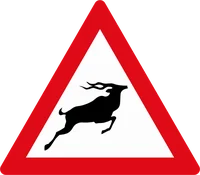
Wild animals ahead
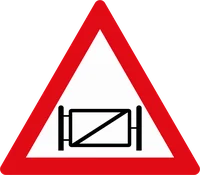
Gate ahead
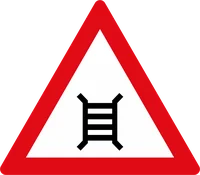
Cattle grid ahead
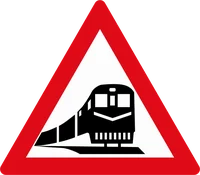
Railway crossing ahead
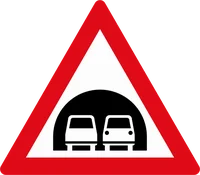
Tunnel ahead
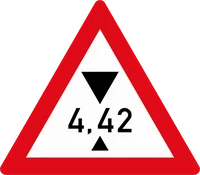
Height restriction ahead
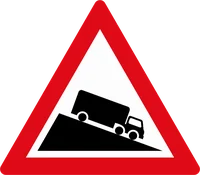
Steep descent ahead
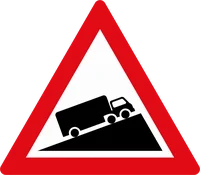
Steep ascent ahead
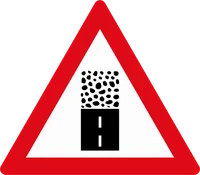
Unpaved road surface ahead
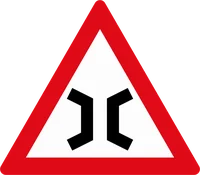
Narrow bridge ahead
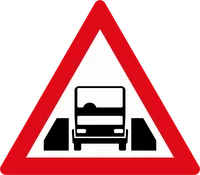
Single-vehicle-width passage ahead
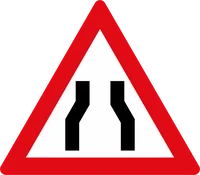
Road narrows on both sides ahead
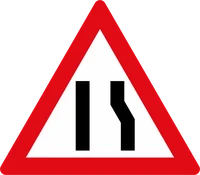
Road narrows on the right ahead
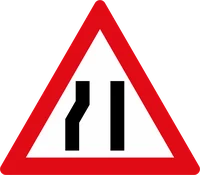
Road narrows on the left ahead
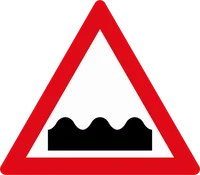
Uneven road surface ahead
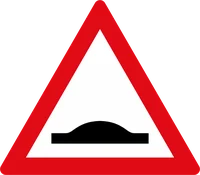
Speed humps ahead
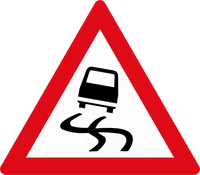
Slippery road ahead
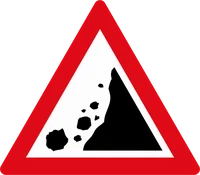
Falling rocks ahead
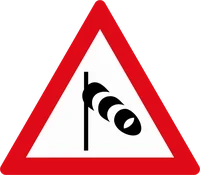
Crosswinds ahead
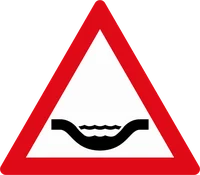
Drift or ford ahead
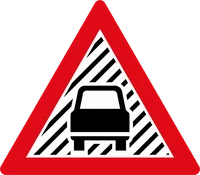
Reduced visibility ahead
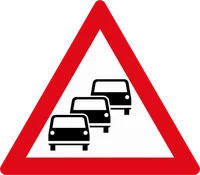
Traffic congestion ahead
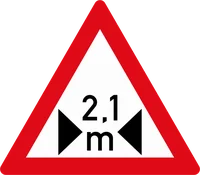
Width restriction ahead
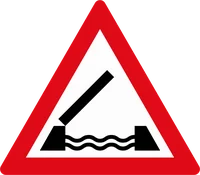
Opening bridge ahead

Railway level-crossing marker
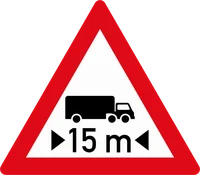
Length restriction ahead
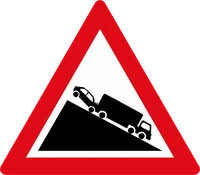
Slow-moving heavy vehicles ahead
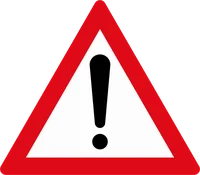
General danger ahead
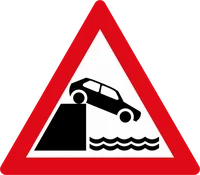
Unprotected river bank or jetty ahead
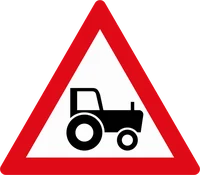
Agricultural vehicles ahead
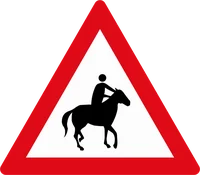
Horse riders ahead
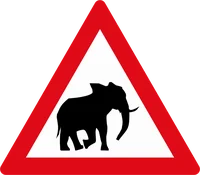
Elephants ahead
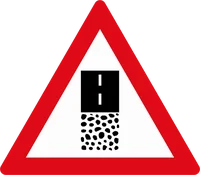
Paved road surface ahead
Road work signs
Temporary signs around works, detours and lane closures.
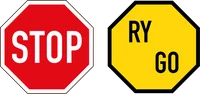
Stop-go traffic control sign
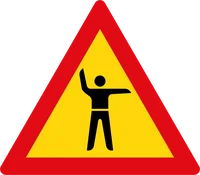
Manual traffic control ahead
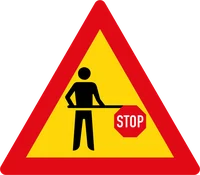
School patrol ahead
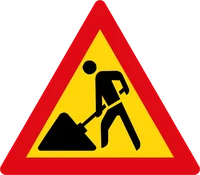
Road works ahead
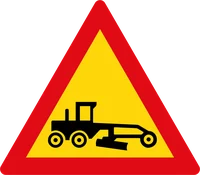
Grader working ahead
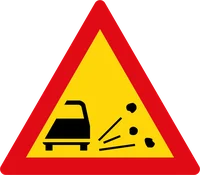
Loose stone chippings ahead
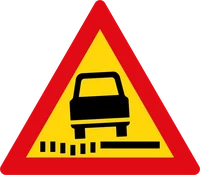
Soft shoulder ahead
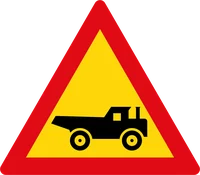
Construction vehicles crossing ahead
Accident ahead
Information signs
Directions, services, lanes and other useful information.
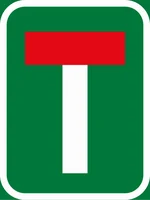
Dead end / cul-de-sac
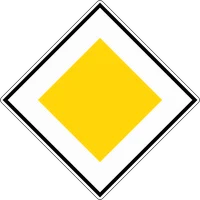
Right-of-way route
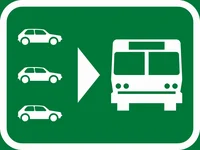
Park and ride

Tourist information centre
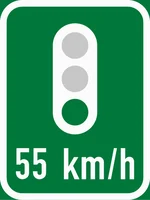
Coordinated traffic signals (green wave)
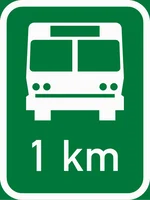
Bus stop ahead
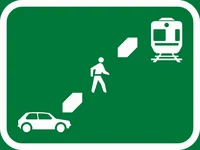
Public transport interchange
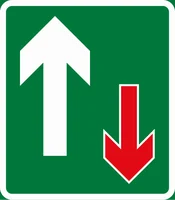
Oncoming traffic must give way
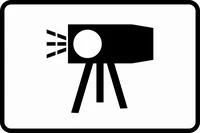
Speed camera zone
Railway station
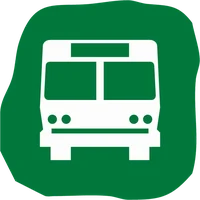
Bus station
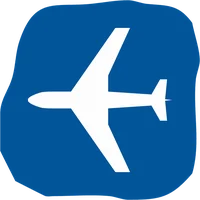
Airport

City centre
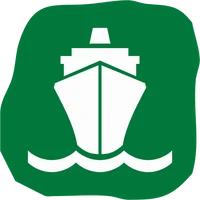
Harbour
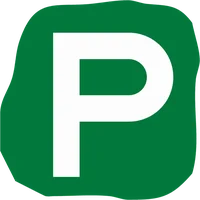
Parking
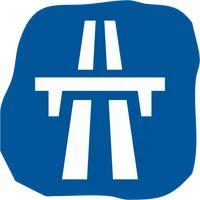
Dual-carriageway freeway route marker
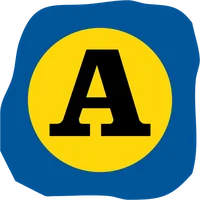
Alternative route

Shopping centre
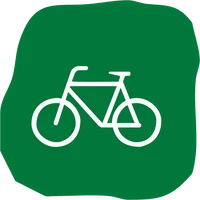
Bicycle route
South Africa road signs FAQ
How many road signs are there in South Africa?
Learner Lane covers 133 road signs used in South Africa: 40 regulatory signs, 65 warning signs, 9 road work signs and 19 information signs. Your official handbook may group them a little differently.
What are the main types of road signs in South Africa?
Regulatory signs tell you what you must or must not do, warning signs alert you to hazards ahead, road work signs mark temporary changes, and information signs give directions and services.
What's the fastest way to learn road signs?
Learn the shape and color of each type first, then the individual signs. Short daily practice and seeing the signs in real situations, like Learner Lane's 3D drives, help them stick.
Walk in ready. Pass first try.
Start free with the Road signs chapter, daily hazard clips and quiz questions. Unlock everything once, no subscription needed.
Scan with your iPhone camera to download