 Ireland
 road signs and their meanings
All 124 road signs a learner driver needs in Ireland, grouped by type, with what each one means. Warning signs are yellow diamonds, road works signs are orange, and every speed limit is in km/h.
Road signs test: Ireland
20 real signs used in Ireland, picked at random from all 124. Choose what each one means. You get a new set every time you play.
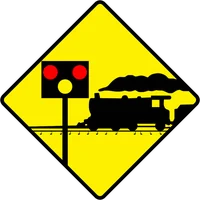
What does this sign mean?
How to read Irish road signs
Shape and colour tell you the type
Circles give orders: a red ring or red disc means you must not do something or must keep under a limit, and a blue circle means you must do something, such as keep left. Yellow diamonds warn of a hazard ahead. Orange signs belong to road works. Rectangles give information. STOP has its own octagon shape and YIELD its own upside-down triangle, so you can recognise both from behind.
Warning signs are yellow, not red
Ireland uses yellow diamond warning signs with black symbols. The UK and Northern Ireland use red-bordered triangles for the same warnings, so if you learned signs there, relearn the warnings.
Every speed limit is in km/h
Speed limits switched from miles to kilometres per hour on 20 January 2005, and limit signs show km/h under the number. The white disc with black diagonal stripes is the rural speed limit sign: since 7 February 2025 it means 60 km/h on local rural roads.
Irish and English on the same sign
Most signs and place names are bilingual, in Irish and English. In Gaeltacht areas you will often see Irish only. The shapes and colours don't change, so a sign you know by its design means the same in either language.
Regulatory signs
Rules you must obey. A red ring or red disc forbids something or sets a limit, a blue circle tells you what you must do, and STOP and YIELD have their own shapes.
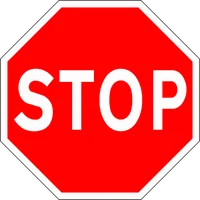
Stop
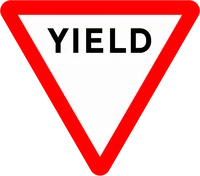
Yield
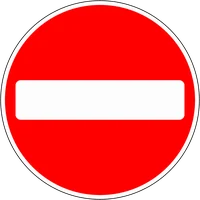
No entry
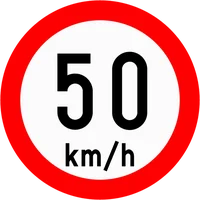
Speed limit 50 km/h
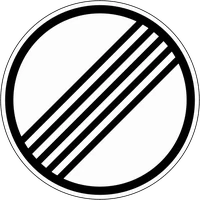
Rural speed limit: 60 km/h on local roads
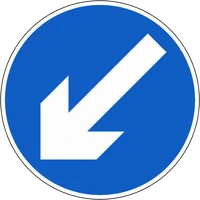
Keep left
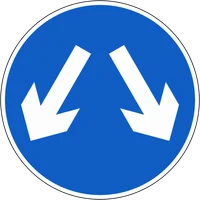
Pass either side
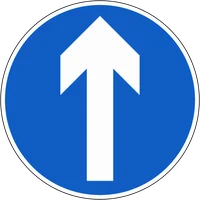
Go straight ahead only
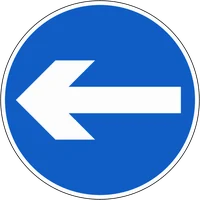
Turn left
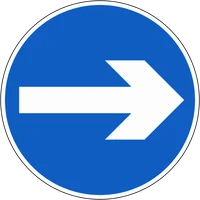
Turn right
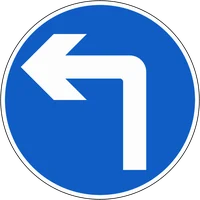
Turn left ahead
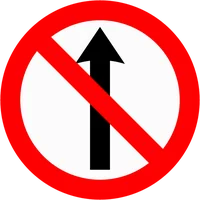
No straight ahead
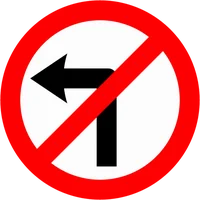
No left turn
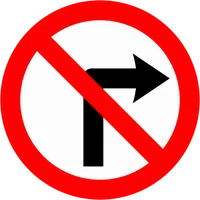
No right turn
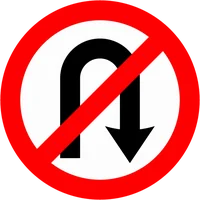
No U-turn
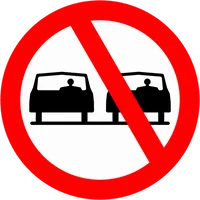
No overtaking
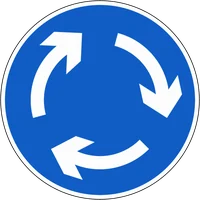
Mini-roundabout (go clockwise around it)
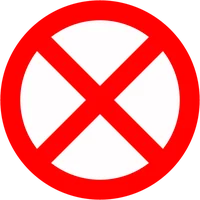
Clearway: no stopping or parking at times shown
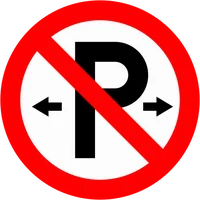
No parking
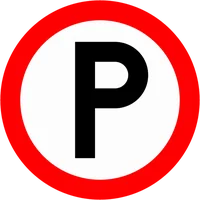
Parking permitted
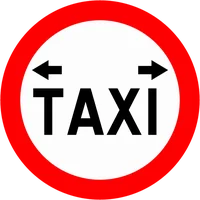
Taxi rank
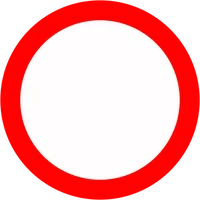
Pedestrianised street (no vehicles)
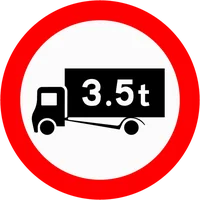
No goods vehicles over 3.5 tonnes
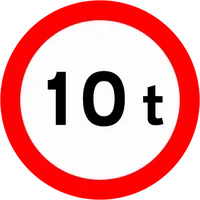
Weight limit 10 tonnes (all vehicles)
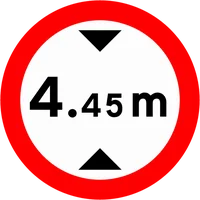
Maximum height 4.45 m
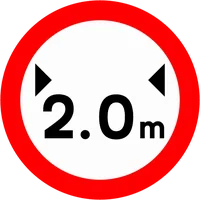
Maximum width 2 m
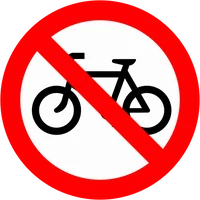
No pedal cycles
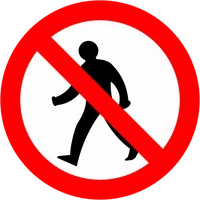
No pedestrians
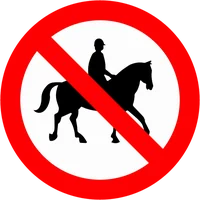
No ridden or accompanied horses
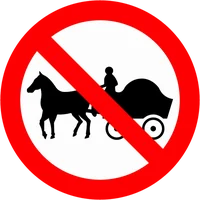
No horse-drawn vehicles
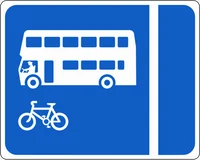
With-flow bus lane on the left
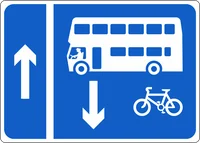
Contra-flow bus lane
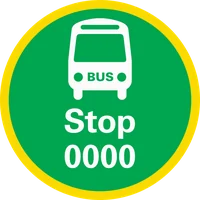
Bus stop
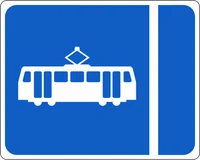
Tram lane on the left
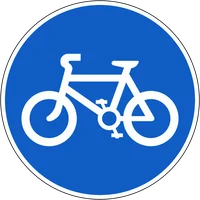
Cycle track (pedal cycles only)
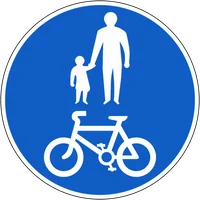
Shared track for cyclists and pedestrians
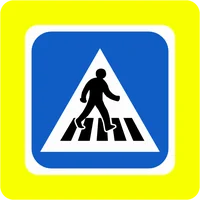
Zebra crossing
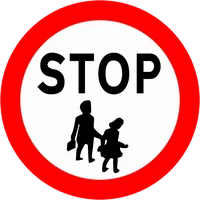
Stop for school crossing warden
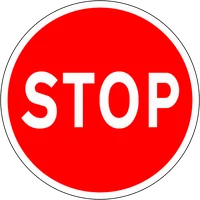
Stop (manual traffic control)
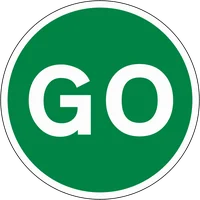
Go (manual traffic control)
Warning signs
Yellow diamonds with a black symbol warn you about what's ahead: junctions, bends, crossings, narrowing roads and animals.
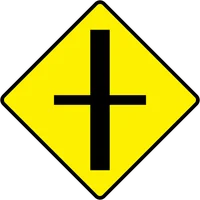
Crossroads ahead
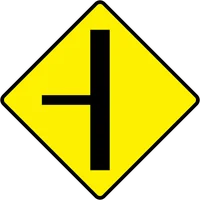
Side road on the left ahead
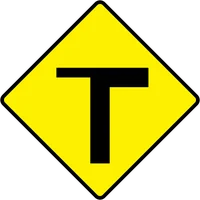
T-junction ahead
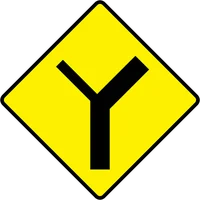
Y-junction ahead
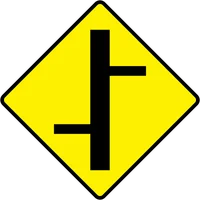
Staggered junctions ahead
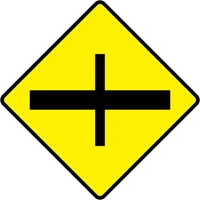
Crossroads with a major road ahead
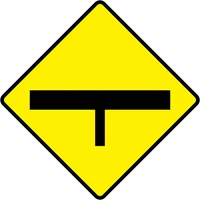
T-junction with a major road ahead
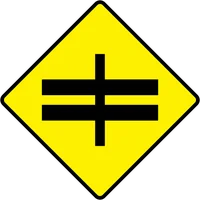
Crossroads with a dual carriageway ahead
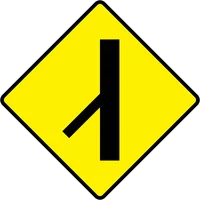
Merging traffic from the left
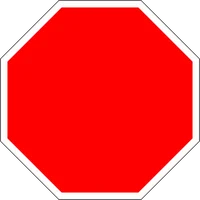
Stop sign ahead
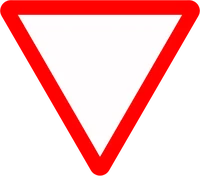
Yield sign ahead
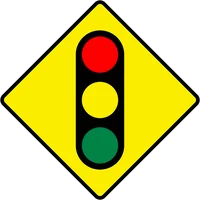
Traffic signals ahead
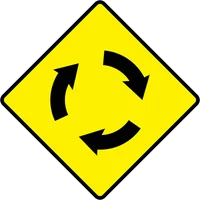
Roundabout ahead
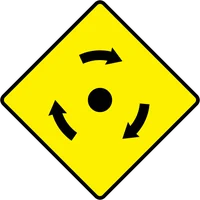
Mini-roundabout ahead
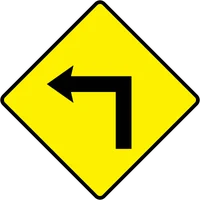
Dangerous corner ahead
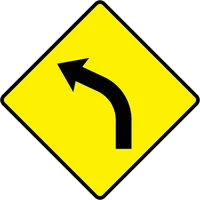
Dangerous bend ahead
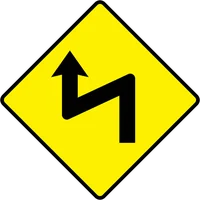
Series of dangerous corners ahead
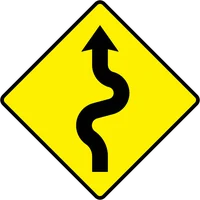
Series of dangerous bends ahead

Chevron board: sharp change of direction
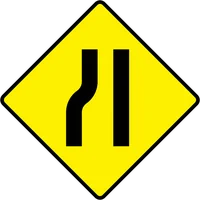
Road narrows from the left
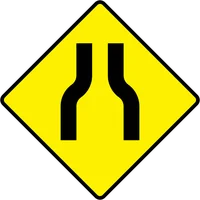
Road narrows on both sides
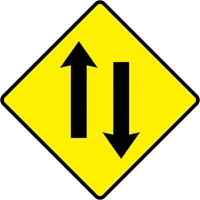
Two-way traffic
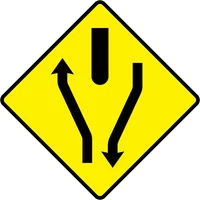
Road divides
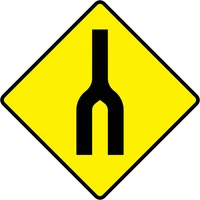
Dual carriageway ends
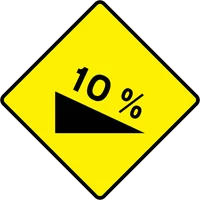
Steep descent ahead
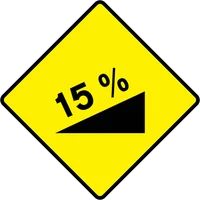
Steep ascent ahead
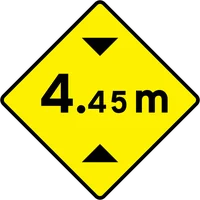
Restricted headroom ahead
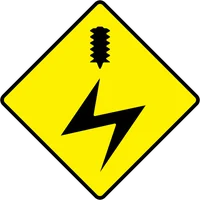
Overhead electric cables
Level crossing with flashing red lights ahead
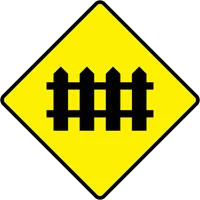
Level crossing with gates or barriers ahead
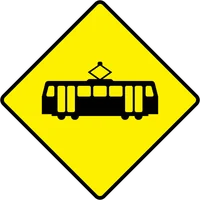
Tram crossing ahead
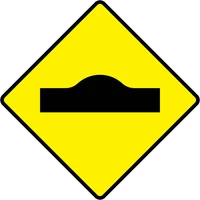
Hump or ramp ahead
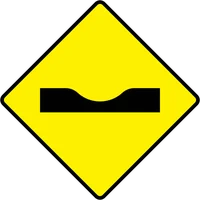
Dip in the road ahead
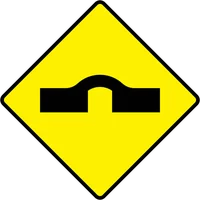
Humpback bridge ahead
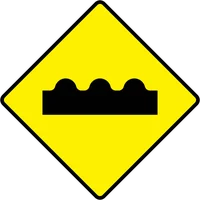
Uneven road surface
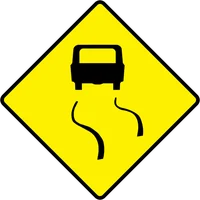
Slippery road
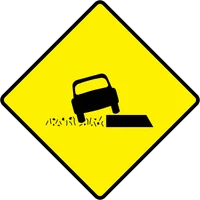
Soft verges
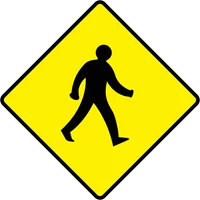
Pedestrians on the road ahead
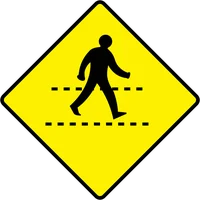
Pedestrian crossing ahead
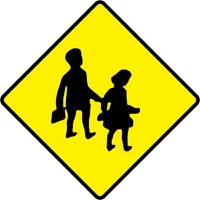
School ahead
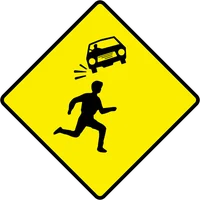
Children crossing ahead
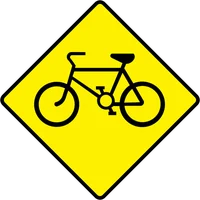
Cyclists ahead
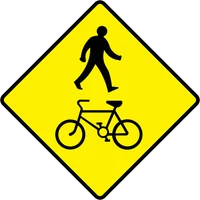
Pedestrian and cycle crossing ahead
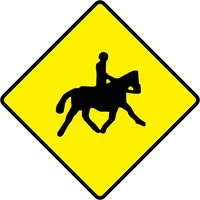
Accompanied horses or ponies
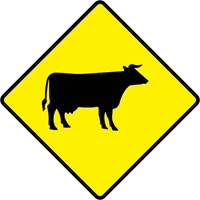
Cattle or farm animals
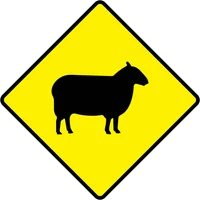
Sheep
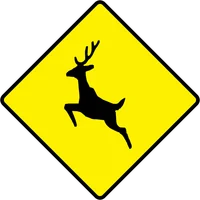
Deer or wild animals
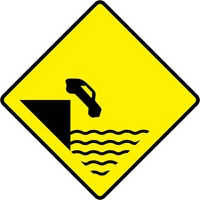
Unprotected quay, canal or river
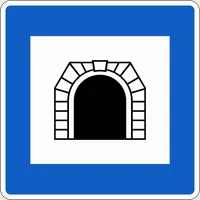
Tunnel ahead
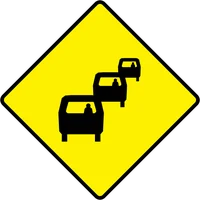
Traffic queues likely ahead
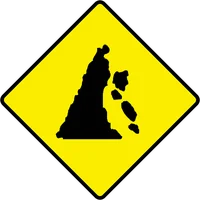
Falling rocks
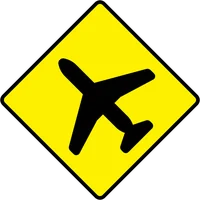
Low-flying aircraft
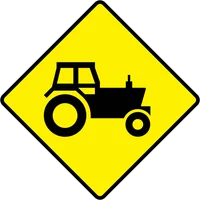
Tractors or farm machinery
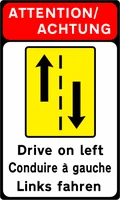
Drive on the left
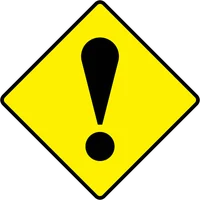
Other hazard ahead (see plate)

Barrier board: lane closed or ends here
Road works signs
Orange signs mark temporary works, lane closures and crossovers. Slow down and follow them.
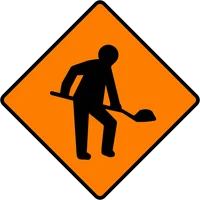
Road works ahead
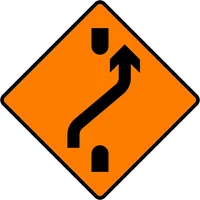
One-lane crossover to other carriageway
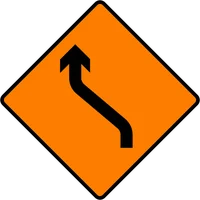
Move to the left (one lane)
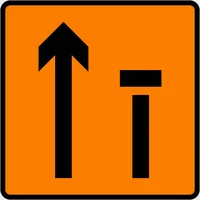
Right-hand lane (of two) closed
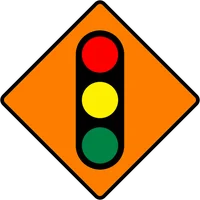
Temporary traffic signals ahead
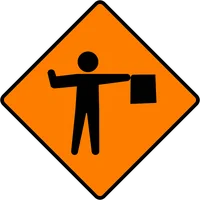
Flagman ahead
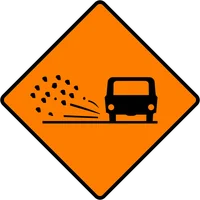
Loose chippings
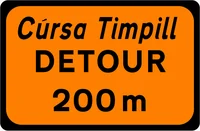
Detour ahead
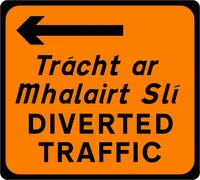
Diverted traffic route (turn left)
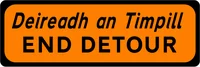
End of detour
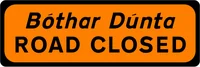
Road closed
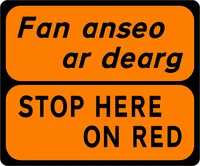
Stop here on red signal
Information signs
Rectangular signs for parking, services and the road layout, such as a car park, a hospital or a cul-de-sac.
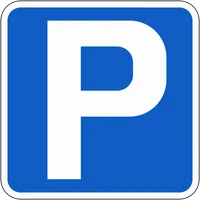
Car park (off-street parking)
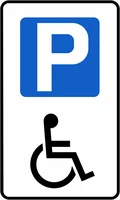
Disabled persons' parking bay
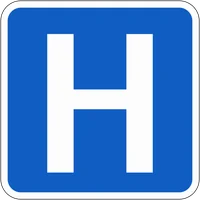
Hospital
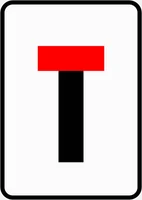
Cul-de-sac (no through road)
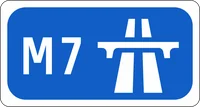
Start of motorway
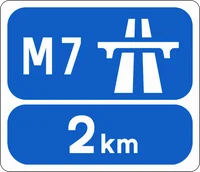
Motorway ahead
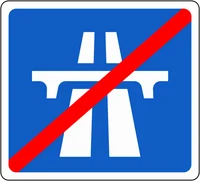
End of motorway
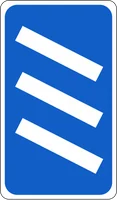
Countdown marker: 300 m to motorway exit
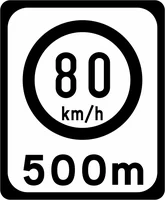
Speed limit 80 km/h in 500 m
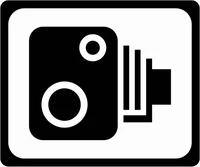
Speed camera
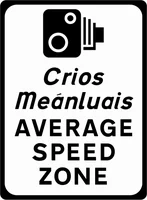
Average speed zone
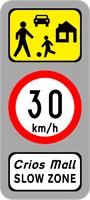
Slow zone (30 km/h)
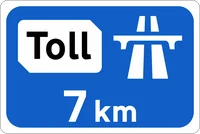
Toll road ahead
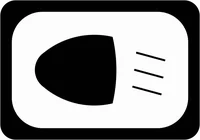
Switch on headlights
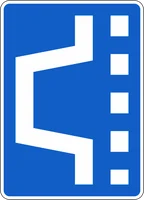
Emergency lay-by
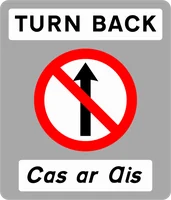
Wrong way: turn back
Guides
- Driving test Ireland: how it works, how it's marked and how to passSix months on your permit, 12 EDT lessons, then your test with an RSA tester. Here's how it's marked.9 min read
- Driver theory test Ireland: questions, pass mark and 10 practice questions40 questions in 45 minutes and 35 to pass. Booking, ID, what comes next, and 10 practice questions to try.9 min read
Ireland road signs FAQ
How many road signs are there in Ireland?
Learner Lane covers 124 road signs used in Ireland: 40 regulatory signs, 56 warning signs, 12 road works signs and 16 information signs. The Rules of the Road may group them a little differently.
What colour are warning signs in Ireland?
Yellow. Irish warning signs are yellow diamonds with a black symbol, unlike the red triangles used in the UK and Northern Ireland. Temporary road works signs are orange.
Are speed limits in Ireland in km/h or mph?
Kilometres per hour. Ireland switched to metric speed limits on 20 January 2005, and every speed limit sign shows km/h under the number.
What does the white sign with black diagonal stripes mean in Ireland?
It's the rural speed limit sign. Since 7 February 2025, on local rural roads it means a limit of 60 km/h (it used to be 80 km/h). Regional and national roads have their own limits.
Are road signs in Ireland in Irish and English?
Most signs and place names are bilingual. In Gaeltacht areas signs are often in Irish only, which is why it pays to learn signs by their shape and colour.
Walk in ready. Pass first try.
Start free with the Road signs chapter, daily hazard clips and quiz questions. Unlock everything once, no subscription needed.
Scan with your iPhone camera to download