Driving test Ireland: how it works, how it's marked and how to pass
· 9 min read
The driving test is the last step between your learner permit and a full Irish driving licence. It's run by the Road Safety Authority (RSA), and it checks two things: that you know the Rules of the Road, and that you can drive safely on your own, with care for other road users. Here's how the car test works, from eligibility and booking to how the tester marks you, what you need to bring and what happens when you pass.
Who can sit the driving test in Ireland?
To sit the car (category B) driving test, you must:
- Hold a car learner permit that's in date and in your name. You get one after passing the driver theory test.
- Follow the six-month rule. You must have held your first learner permit for at least six months on the day of the test.
- Finish Essential Driver Training (EDT) if your first car learner permit was issued on or after 4 April 2011. That's 12 one-hour sessions with an ADI, or 6 if you qualify for reduced EDT, which is for some foreign licence holders.
The RSA recommends leaving about two weeks between EDT sessions, so the course is best spread over six months, the same six months you have to wait anyway. Your instructor records each session, and the sessions must show on your MyEDT account before you can book.
One change to know about: from 1 November 2026, to renew a third or fourth car learner permit you must have actually taken a driving test in the previous two years. Applying for a test is no longer enough.
How to book your driving test
- Apply online. Log in to the RSA's MyRoadSafety.ie portal, add your goal (a car licence) and choose to book a driving test. You join the waiting list. If you can't apply online, there's a postal application form.
- Wait for your invitation. When you reach the front of the queue and you're eligible, the RSA emails you a booking invitation. The RSA's online estimator shows the expected wait for car tests.
- Pick a date within 10 days. Log back in and choose an appointment. If you don't, the invitation expires, but you can rejoin the queue. If you're not ready yet, you can hold off and rejoin later.
You pay the fee when you book. At the time of writing (October 2026), the RSA's fee table lists €85 for a car test. Fees aren't transferable, and you lose yours if you're late.
| Driving test at a glance | Car (category B) |
|---|---|
| Run by | The Road Safety Authority (RSA) |
| Before you can sit it | First learner permit held 6 months, plus 12 EDT sessions |
| Fee | €85 (at the time of writing, October 2026) |
| How long | Usually around 30 to 40 minutes of driving, plus the checks at the start |
| Before the drive | Rules of the Road and road sign questions, technical checks, secondary controls |
| Manoeuvres | Reverse around a corner, turnabout, hill start, parking |
| You fail with | 1 grade 3 fault, or too many grade 2 faults |
| After a pass | Certificate of competency, then N plates for 2 years |
How long is the driving test in Ireland?
The drive itself usually takes around 30 to 40 minutes, depending on traffic, after the Rules of the Road questions and vehicle checks at the start. Your appointment confirmation gives your slot, and the RSA's car licence page has the current details.
What happens on the driving test
Rules of the Road and road sign questions
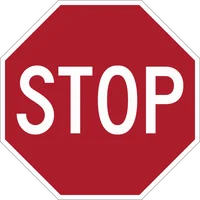
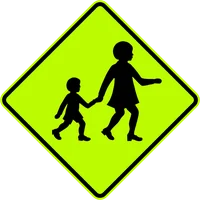
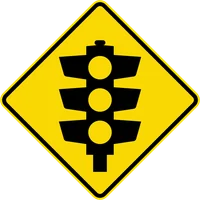
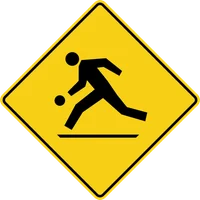
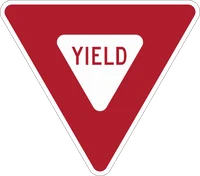
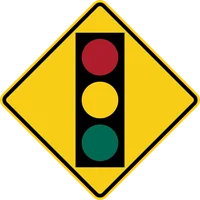
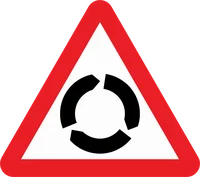
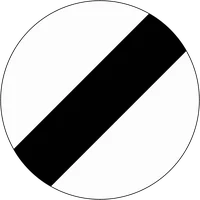
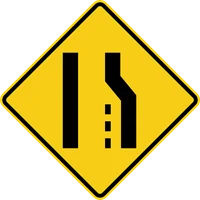
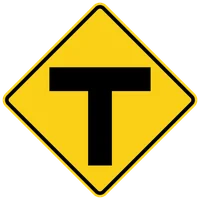
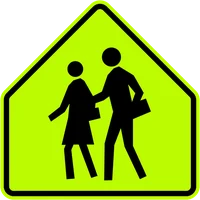
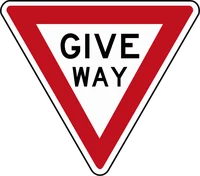
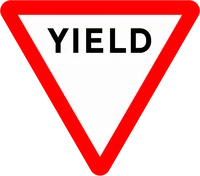
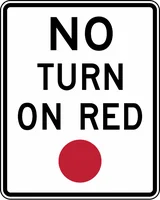
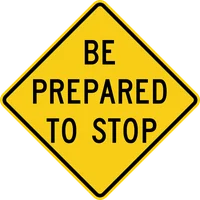
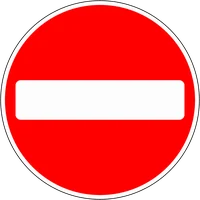
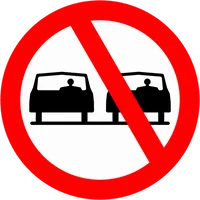
The tester checks your learner permit, then asks you questions on the Rules of the Road, including identifying road signs. Hand signals are covered too. Irish signs follow a pattern: regulatory signs are white with a red border, or blue with white symbols, and warning signs are yellow, mostly diamond-shaped, with a black border.

Technical checks
You'll be asked to explain, or show, how you would check parts of the car. The list the tester picks from includes the tyres, lights, reflectors, indicators, engine oil, coolant, windscreen washer fluid, steering, brakes (including the handbrake) and horn. Know where each one is in the car you're testing in, and how you'd check it.
Secondary controls
With the engine running, you'll be asked to work some of the car's secondary controls, such as the wipers and washers, demisters, rear window heater, lights, fan, air vents and air conditioning. It's easy to fumble these in a car you don't know, so practise in your test car.
The drive and the manoeuvres
You then drive in a range of road and traffic conditions while the tester marks your observation, road position, signals, speed, progress and how you deal with hazards. Along the way you'll be asked to:
- Reverse around a corner, to the left or right as the tester chooses.
- Do a turnabout, turning the car to face the other way on the road. You can go forward and back more than once if you need to.
- Do a hill start: stop on a hill, secure the car with the handbrake, then move off.
- Park in a suitable place near the end of the test. You won't be asked to reverse park.
How the driving test is marked: grade 2 and grade 3 faults
The tester records faults by how serious they are. Minor slips at the low end of the marking scale aren't recorded at all. The two grades that decide your result are:
- Grade 2: a serious fault.
- Grade 3: a dangerous or potentially dangerous fault, or a total disregard of traffic controls.
| You fail the driving test if you get | What it means |
|---|---|
| 1 or more grade 3 faults | One dangerous moment is enough |
| 4 of the same grade 2 fault | The same serious fault on a single aspect, four times |
| 6 or more grade 2 faults under one heading | For example, several observation faults |
| 9 or more grade 2 faults in total | Spread across the whole test |
So one mistake doesn't mean you've failed. Unless it was dangerous, put it behind you and keep driving well. If you don't pass, you get a detailed report of your faults to go through with your instructor.
Why people fail
The RSA lists the most common reasons people don't pass:
- Not enough observation when moving off, at junctions, at roundabouts and when changing lanes
- Not anticipating what other road users will do
- Wrong road position on the straight, on bends, turning left or right, at roundabouts and when overtaking
- Wrong or poor use of mirrors and signals
- Not being competent in the reverse and the turnabout
What to bring to your driving test in Ireland
Your test won't go ahead if you're missing something. The RSA's checklist asks you to bring:
- Your current learner permit for a car. It must match your identity, be in date and be for the right category.
- A certificate of motor insurance showing you're insured to drive the test car. This has been required since 9 March 2026, and for a car a copy or a digital version is fine. If your name isn't on it, bring an email or a letter on headed paper from the insurer confirming you're insured to drive that car.
- A car. The RSA doesn't provide one, so you bring the car you'll be tested in.
- A qualified driver to come with you. You're still a learner on the way there, so you need someone who has held a full car licence for at least two years. The same applies on the way home, even if you pass.
- Suitable shoes. Flip-flops, sandals, backless shoes and driving barefoot aren't accepted.
Arrive early and wait in the test centre, not in your car, before your appointment time. If you're late, the test doesn't go ahead and you lose your fee.
The car: what it needs for the test
The tester checks the car before you set off. According to the RSA's car preparation guide, it must:
| Check | What the RSA asks for |
|---|---|
| L plates | Displayed on the front and the rear |
| Insurance | A valid, original insurance disc on display, plus your insurance certificate |
| Motor tax | A valid, original motor tax disc on display |
| NCT | A valid NCT disc, if the car is old enough to need one |
| Tyres | At least 1.6 mm of tread, no bulges, cuts or uneven wear, and correctly inflated |
| Warning lights | None showing a fault: a warning light before or during the test can stop it |
| Lights and brakes | Brake lights, indicators and the handbrake all working |
If the car isn't roadworthy or doesn't have the right discs or L plates, the test is cancelled and you lose the fee. Check everything the day before.
Driving test tips for Ireland
- Use your EDT well. Spread the 12 sessions out and practise with your sponsor between them, so each lesson builds on real driving.
- Learn the checks in your test car. Know where the bonnet catch, oil dipstick, coolant and washer fluid are, and work every secondary control without looking for it.
- Revise the Rules of the Road and road signs. You'll be asked about both before you drive. Test yourself on Irish road signs.
- Make observation obvious. Mirrors and blind spot before moving off, at every junction and roundabout, and before changing lanes. It's the top reason people fail.
- Use the roundabout "clock". The Rules of the Road suggest the left lane for exits from 6 to 12 o'clock and the right lane for exits from 12 to 6, unless road markings say otherwise. Signal left after you pass the exit before yours.
- Practise the manoeuvres on different streets. Reverse around corners to both sides, turnabouts on narrow roads and hill starts on steep ones.
- Get to know the area. Drive the roads around your test centre with your sponsor, at different times of day, so the junctions and roundabouts don't surprise you.
- Prepare the car and documents the night before. Discs, L plates, tyres, warning lights, your permit and your insurance certificate.
After you pass: certificate of competency and N plates
If you pass, the tester gives you a certificate of competency. It's valid for up to two years, and you must apply for your full driving licence within that time, online or at an NDLS centre. A full licence lets you drive on all public roads, including motorways.
For the first two years with a full licence you're a novice driver. According to the RSA, you must display N plates on any car you drive, you can't accompany a learner driver, and the lower drink-drive limit of 20 mg of alcohol per 100 ml of blood still applies to you.
If you don't pass, work on the faults in your report with your ADI, keep practising everything else, and apply again.
How Learner Lane helps, and what it isn't
Learner Lane is an iPhone app, not an RSA service, and it isn't the official RSA learning material. What it gives Irish learners is practice that sticks. You learn the rules in short 3D driving situations, in chapters on road signs, traffic lights, right of way, weather and night driving, and sharing the road: make the call, see what happens, rewind. It's set up with real Irish signs and rules, and adds road rules questions, hazard perception practice on fresh 3D clips and a log of your practice hours, day and night.
It also plans practice routes on real roads around your test centre, with turn-by-turn voice directions. They're practice loops to help you get to know the area, not official test routes. Learner Lane is free to start, and a one-time Pass Pass purchase unlocks everything. Try the free Ireland practice test to see where you stand.
Test facts from the RSA's driving test pages and the Rules of the Road, checked October 2026. Rules and fees change, so check rsa.ie before your test. Learner Lane is not affiliated with the Road Safety Authority.
This guide summarizes common rules. Laws vary by country, state and province, and change over time: check your official driver handbook. Learner Lane is not affiliated with any government licensing authority.