 New Zealand
 road signs and their meanings
All 128 road signs a learner driver needs in New Zealand, grouped by type. Each sign shows its official design and what it means.
Road signs test: New Zealand
20 real signs used in New Zealand, picked at random from all 128. Choose what each one means. You get a new set every time you play.
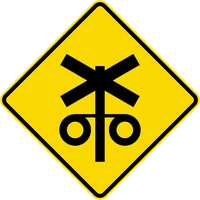
What does this sign mean?
Regulatory signs
Rules you must obey: stop, give way, speed limits, turns and parking.
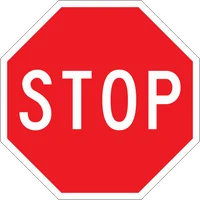
Stop
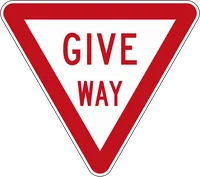
Give way
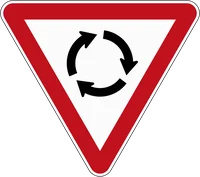
Roundabout: give way to traffic from your right
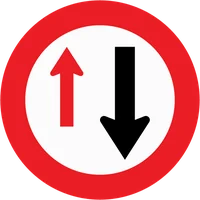
Give way to oncoming traffic
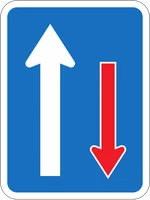
You have priority over oncoming traffic
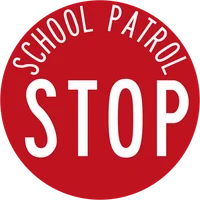
School patrol: stop, children crossing
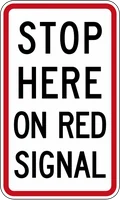
Stop here when the signal is red
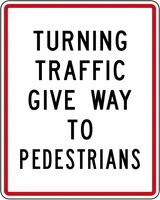
Turning traffic give way to pedestrians
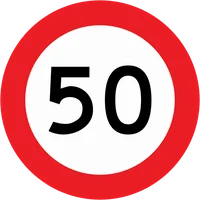
Speed limit 50 km/h
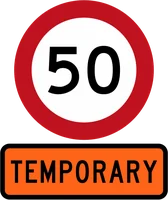
Temporary speed limit 50 km/h
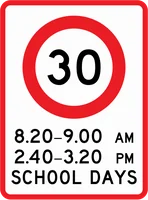
30 km/h school speed limit at the times shown
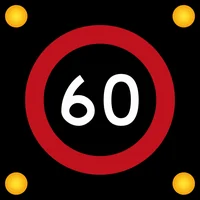
Variable speed limit 60 km/h
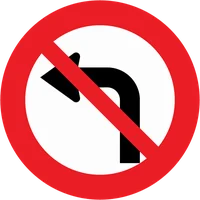
No left turn
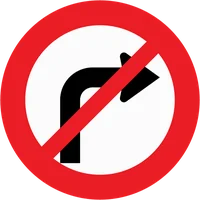
No right turn
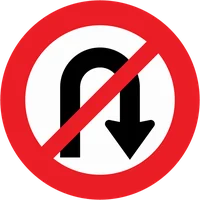
No U-turn
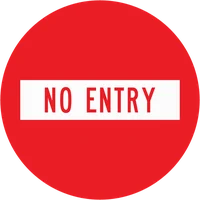
No entry
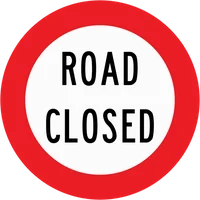
Road closed
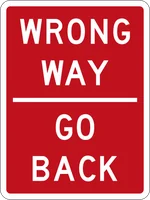
Wrong way, go back
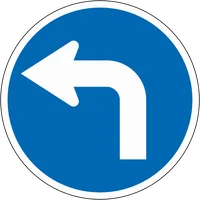
Turn left only
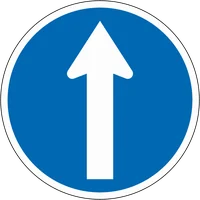
Go straight ahead only, no turns
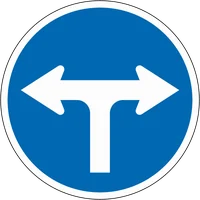
Turn left or right only
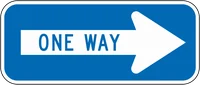
One-way road
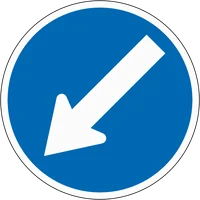
Keep left
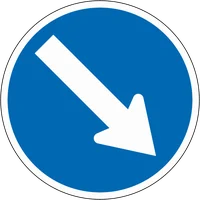
Keep right
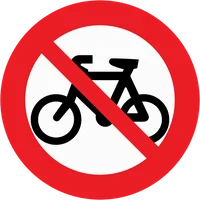
No cycling
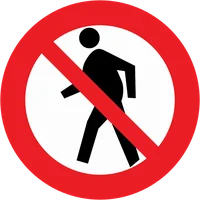
No pedestrians
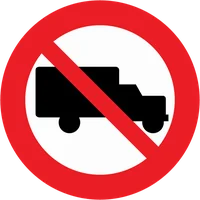
No heavy vehicles
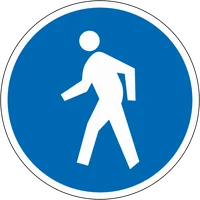
Pedestrians only
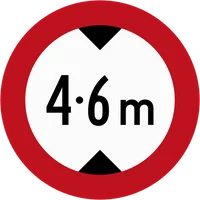
Height limit: no vehicles taller than shown
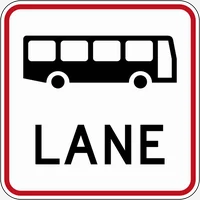
Bus lane
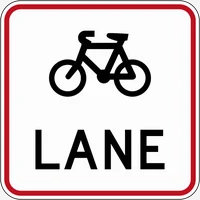
Cycle lane
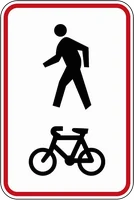
Shared path for pedestrians and cyclists
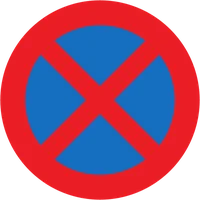
No stopping
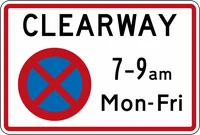
Clearway: no stopping at the times shown
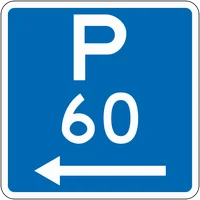
Parking limited to 60 minutes
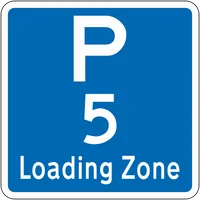
Loading zone, 5-minute limit
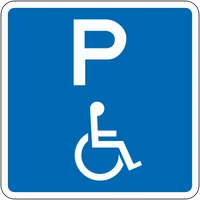
Mobility parking for permit holders only
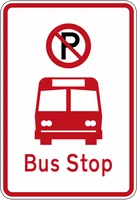
Bus stop, no parking
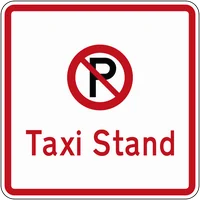
Taxi stand
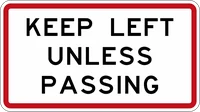
Keep left unless passing
Warning signs
Hazards and changes ahead, such as bends, junctions, crossings and animals.
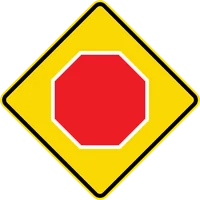
Stop sign ahead
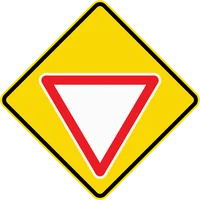
Give way sign ahead
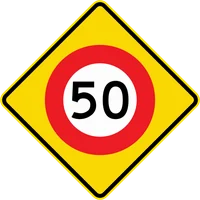
50 km/h speed limit ahead
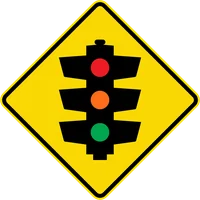
Traffic signals ahead
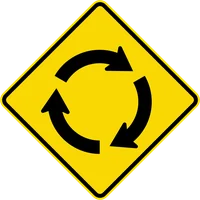
Roundabout ahead
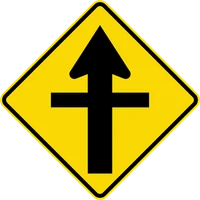
Crossroads ahead, side roads give way
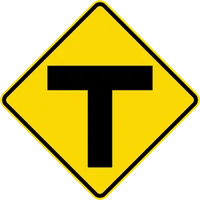
T-junction ahead
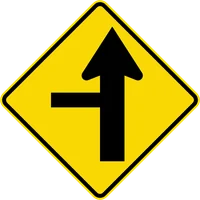
Side road ahead on the left
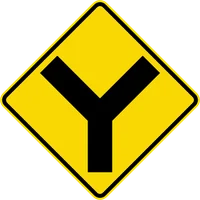
Y-junction ahead
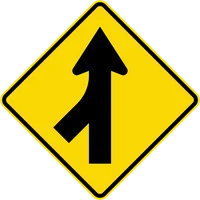
Traffic merging from the left
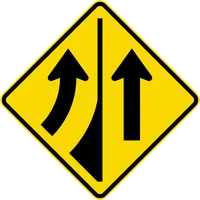
Added lane ahead
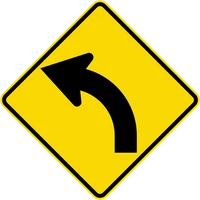
Curve ahead
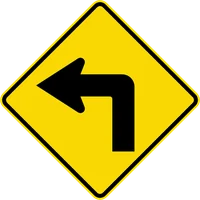
Sharp 90-degree bend ahead
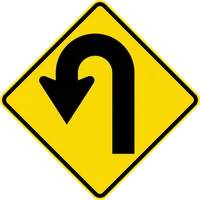
Horseshoe bend ahead
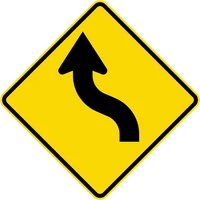
Reverse curves ahead
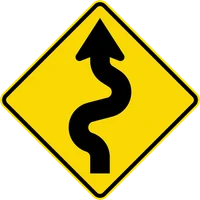
Winding road ahead
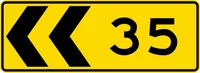
Advisory speed 35 km/h for the curve

Road ends at T-junction, turn left or right
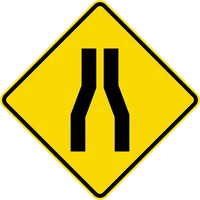
Road narrows ahead
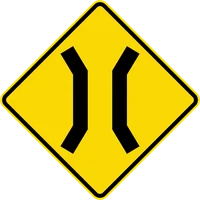
Narrow bridge ahead
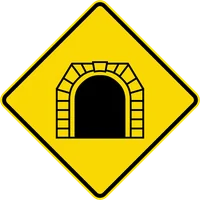
Tunnel ahead
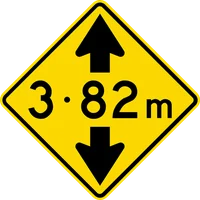
Low overhead clearance ahead
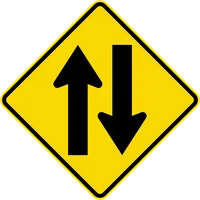
Two-way traffic ahead
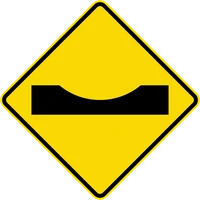
Dip in the road ahead
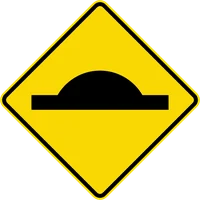
Hump in the road ahead
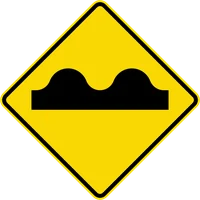
Uneven road surface ahead
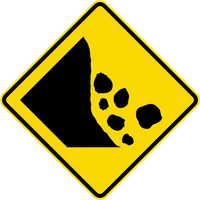
Slips or falling rocks ahead
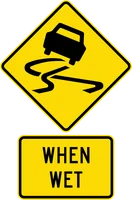
Road slippery when wet
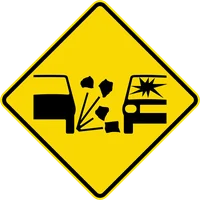
Loose gravel surface, flying stones
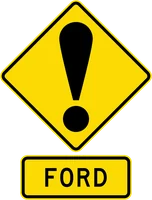
Ford ahead, water may cross the road
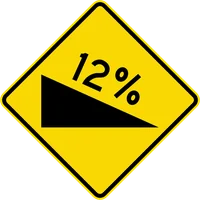
Steep descent ahead
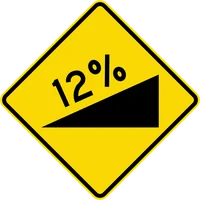
Steep climb ahead
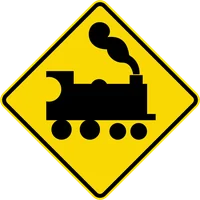
Railway level crossing ahead
Railway crossing with flashing lights ahead
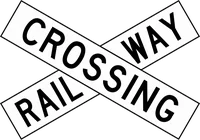
Railway crossing: look out for trains
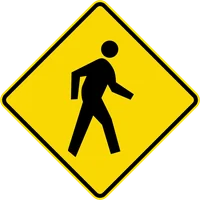
Watch for pedestrians
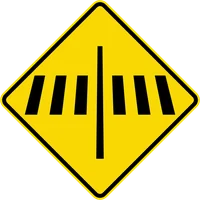
Pedestrian crossing ahead
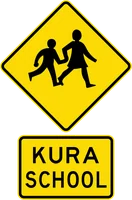
School ahead, watch for children
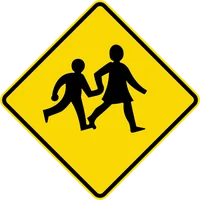
Children may be on or near the road
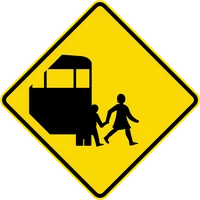
School bus stop ahead
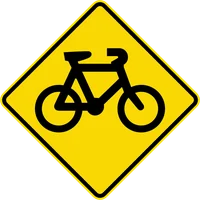
Cyclists ahead
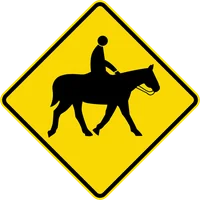
Horse riders ahead
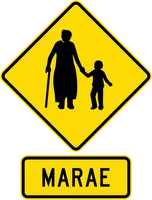
Marae ahead, watch for pedestrians
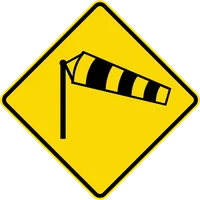
Strong wind gusts ahead
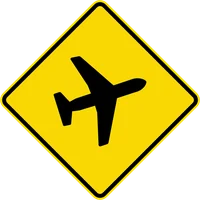
Low-flying aircraft ahead
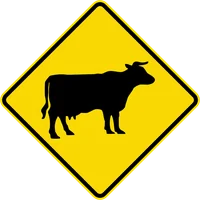
Watch for cattle
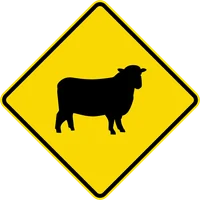
Watch for sheep
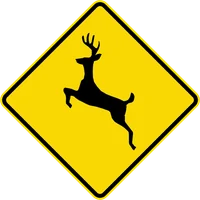
Watch for deer
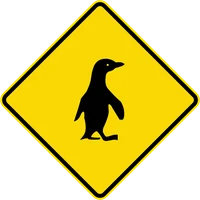
Watch for penguins
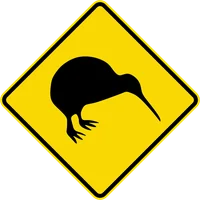
Watch for kiwi
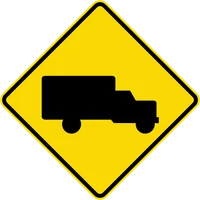
Heavy vehicles crossing or turning ahead
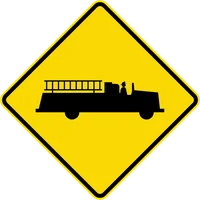
Fire station ahead
Road work signs
Temporary signs around works, detours and lane closures.
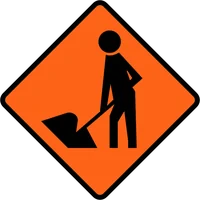
Road works ahead
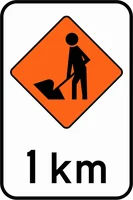
Road works 1 km ahead
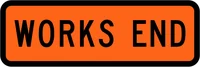
End of road works
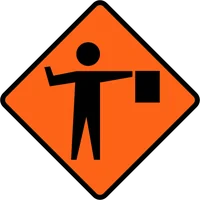
Traffic controller ahead, be prepared to stop
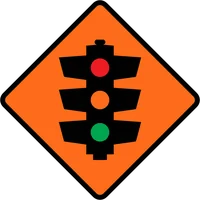
Temporary traffic signals ahead
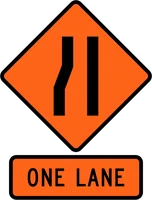
Road narrows to one lane ahead
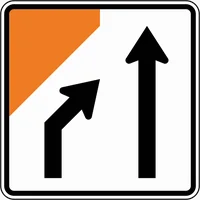
Left lane closed ahead
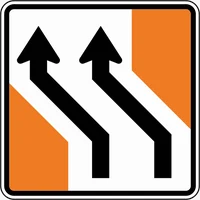
Lanes shift to the left ahead
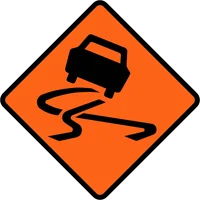
Temporary slippery surface
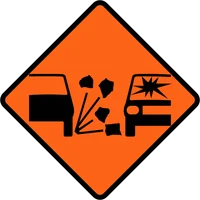
Temporary loose gravel, flying stones
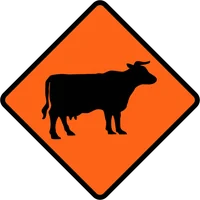
Stock being moved on the road ahead
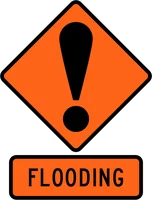
Flooding ahead
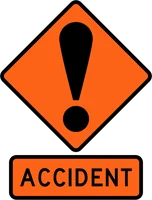
Accident ahead
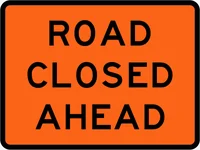
Road closed ahead
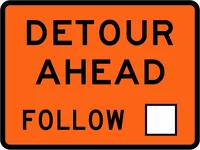
Detour ahead, follow the square symbol
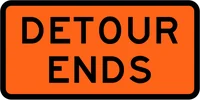
Detour ends
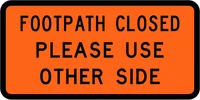
Footpath closed, use the other side
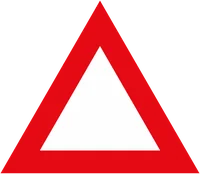
Warning triangle: broken-down vehicle ahead
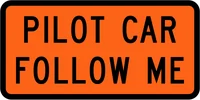
Pilot car, follow me
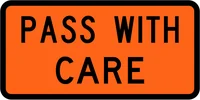
Works vehicle ahead, pass with care
Information signs
Directions, services, lanes and other useful information.
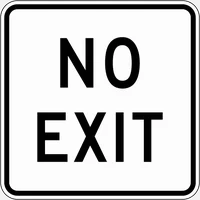
No exit, no through road
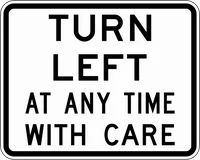
Turn left at any time with care
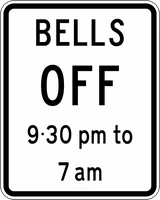
Railway crossing alarm bells off at night
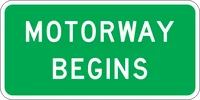
Motorway begins
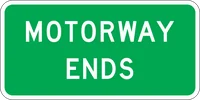
Motorway ends
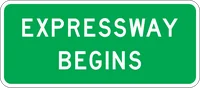
Expressway begins
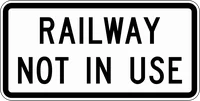
Railway line no longer in use
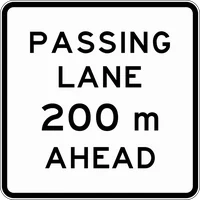
Passing lane 200 m ahead
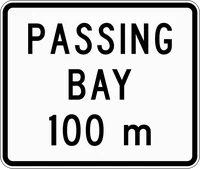
Passing bay 100 m ahead
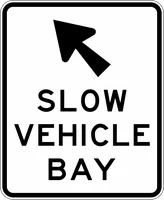
Slow vehicle bay, pull in to let traffic pass
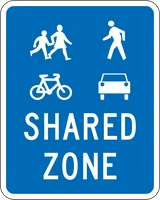
Shared zone, give way to pedestrians
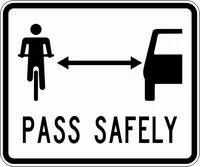
Pass cyclists safely, give them space
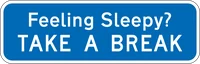
Feeling sleepy, take a break
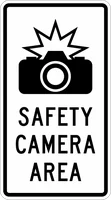
Safety camera area
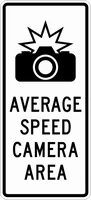
Average speed camera area
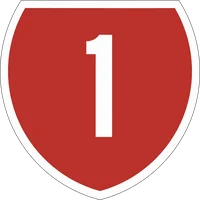
State highway route marker
New Zealand road signs FAQ
How many road signs are there in New Zealand?
Learner Lane covers 128 road signs used in New Zealand: 40 regulatory signs, 52 warning signs, 20 road work signs and 16 information signs. Your official handbook may group them a little differently.
What are the main types of road signs in New Zealand?
Regulatory signs tell you what you must or must not do, warning signs alert you to hazards ahead, road work signs mark temporary changes, and information signs give directions and services.
What's the fastest way to learn road signs?
Learn the shape and color of each type first, then the individual signs. Short daily practice and seeing the signs in real situations, like Learner Lane's 3D drives, help them stick.
Walk in ready. Pass first try.
Start free with the Road signs chapter, daily hazard clips and quiz questions. Unlock everything once, no subscription needed.
Scan with your iPhone camera to download