 Australia
 road signs and their meanings
All 121 road signs a learner driver needs in Australia, grouped by type. Each sign shows its official design and what it means.
Road signs test: Australia
20 real signs used in Australia, picked at random from all 121. Choose what each one means. You get a new set every time you play.
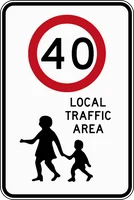
What does this sign mean?
Regulatory signs
Rules you must obey: stop, give way, speed limits, turns and parking.
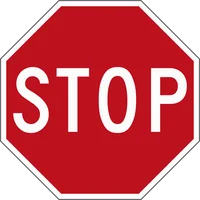
Stop
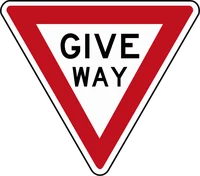
Give way
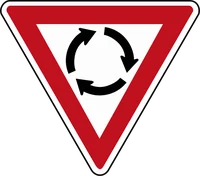
Roundabout: give way to vehicles on the roundabout
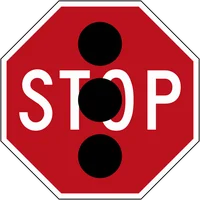
Stop here when traffic lights are not working
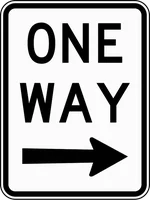
One way
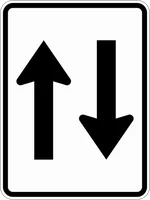
Two way: traffic travels in both directions
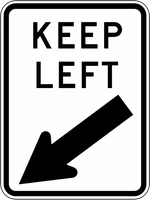
Keep left
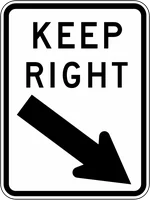
Keep right
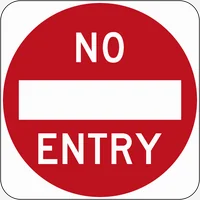
No entry
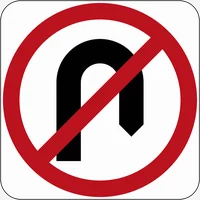
No U-turn
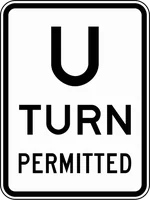
U-turn permitted
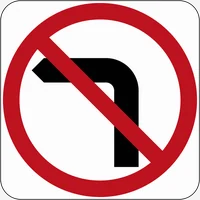
No left turn
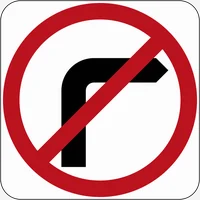
No right turn
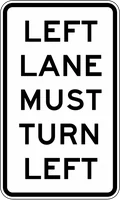
Left lane must turn left
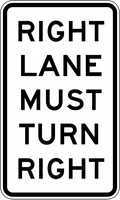
Right lane must turn right
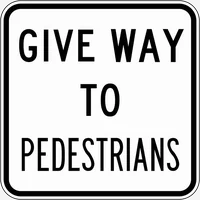
Give way to pedestrians
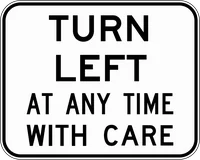
Turn left at any time with care
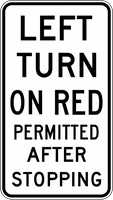
Left turn on red permitted after stopping
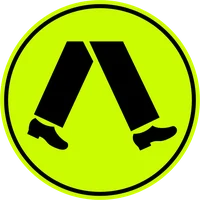
Pedestrian crossing
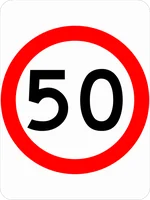
Speed limit 50 km/h
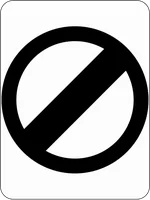
End speed limit: default speed limit applies
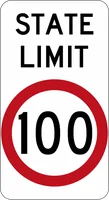
State speed limit 100 km/h applies
40 km/h local traffic area
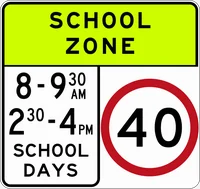
School zone: 40 km/h at the times shown on school days
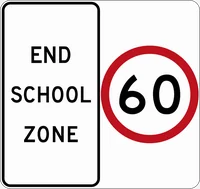
End school zone, speed limit now 60 km/h
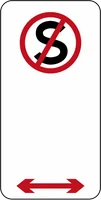
No stopping
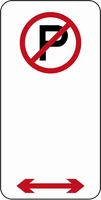
No parking
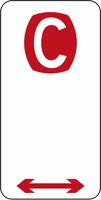
Clearway: no stopping during clearway hours
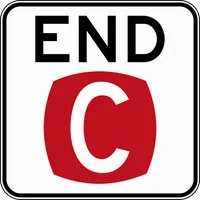
End of clearway
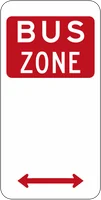
Bus zone: only buses may stop
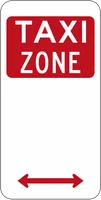
Taxi zone: only taxis may stop
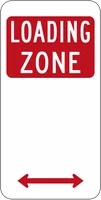
Loading zone: goods vehicles may stop to load
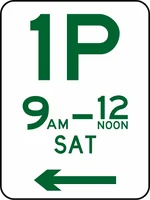
Parking limited to 1 hour at the times shown
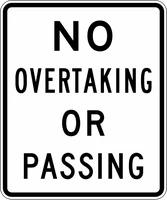
No overtaking or passing
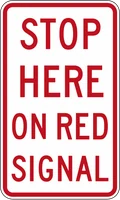
Stop here on red signal
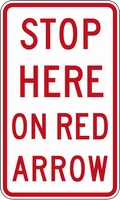
Stop here on red arrow
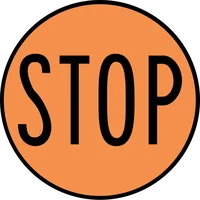
School crossing supervisor: stop, children crossing
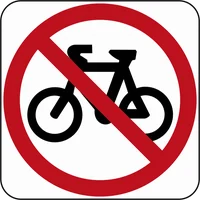
No bicycles
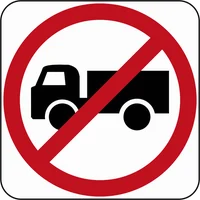
No trucks
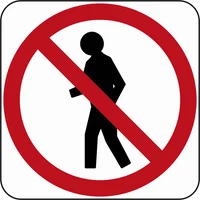
No pedestrians
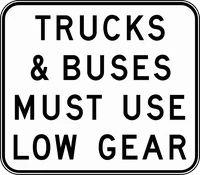
Trucks and buses must use low gear
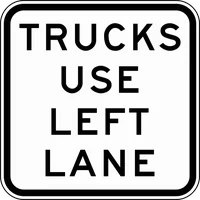
Trucks must use the left lane
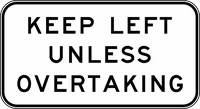
Keep left unless overtaking
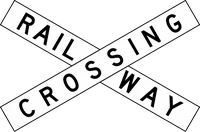
Railway crossing: give way to trains
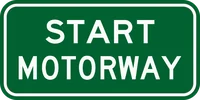
Start of motorway
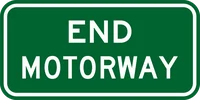
End of motorway
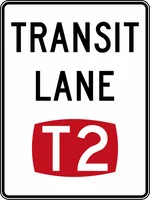
T2 transit lane: vehicles with 2 or more people
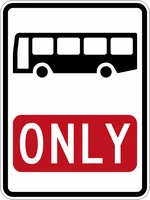
Buses only
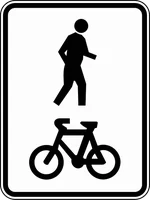
Shared path for pedestrians and bicycle riders
Warning signs
Hazards and changes ahead, such as bends, junctions, crossings and animals.
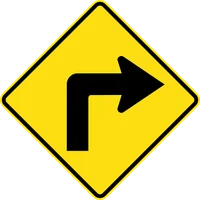
Sharp turn ahead
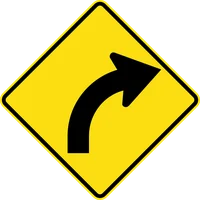
Curve ahead
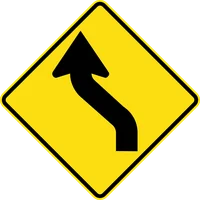
Reverse curves ahead
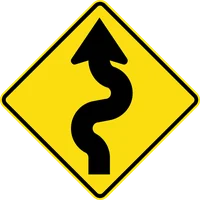
Winding road ahead
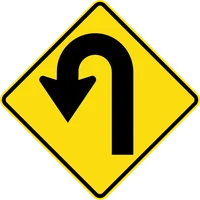
Hairpin bend ahead
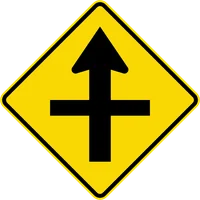
Crossroad ahead
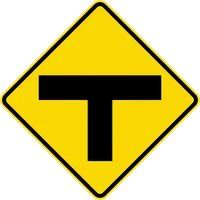
T-intersection ahead
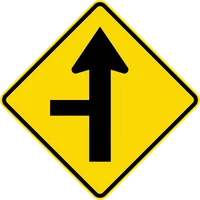
Side road ahead
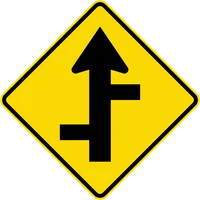
Staggered side roads ahead
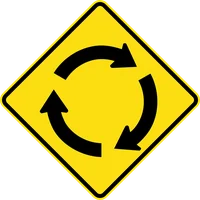
Roundabout ahead
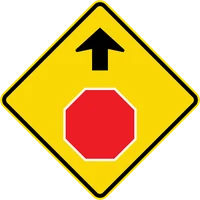
Stop sign ahead
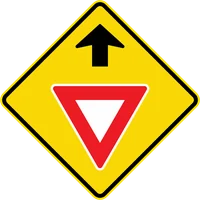
Give way sign ahead
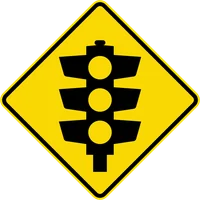
Traffic signals ahead
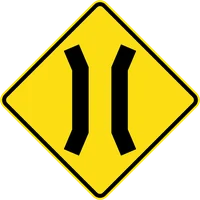
Narrow bridge ahead
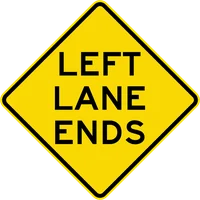
Left lane ends ahead
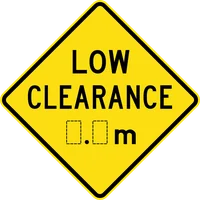
Low clearance ahead
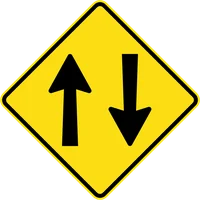
Two-way traffic ahead
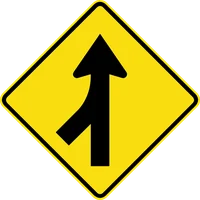
Traffic merging from the left
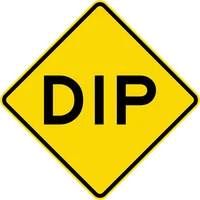
Dip in the road ahead
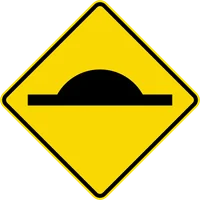
Hump in the road ahead
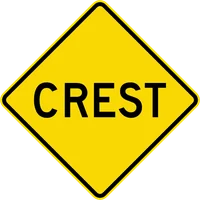
Crest ahead: limited view over the hill
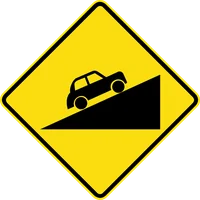
Steep climb ahead
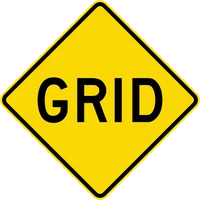
Grid across the road ahead
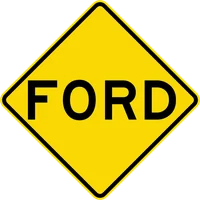
Ford ahead: water may cross the road
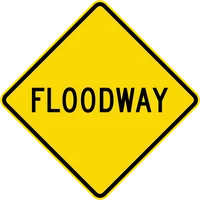
Floodway: road may be covered by floodwater
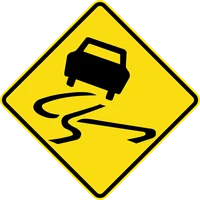
Road slippery when wet
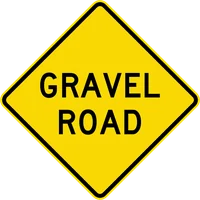
Gravel road ahead
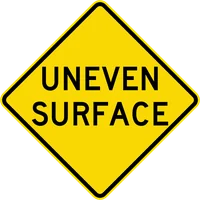
Uneven road surface ahead
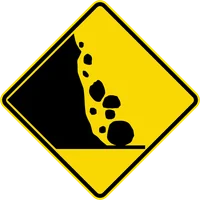
Falling rocks ahead
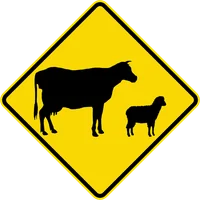
Livestock may be crossing ahead
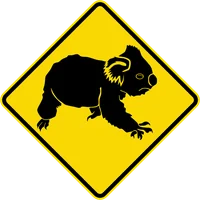
Watch out for koalas
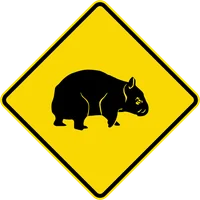
Watch out for wombats
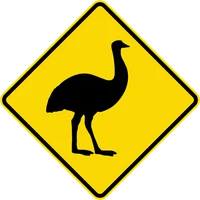
Watch out for emus
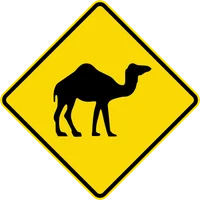
Watch out for camels
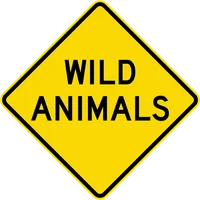
Watch out for wild animals
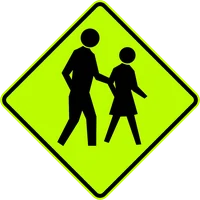
Pedestrians may be crossing ahead
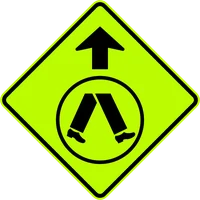
Pedestrian crossing ahead
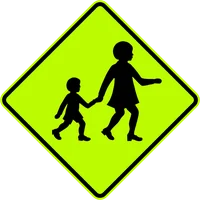
Children may be crossing ahead
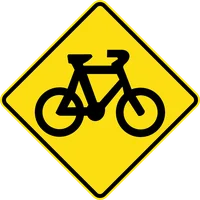
Look out for bicycles
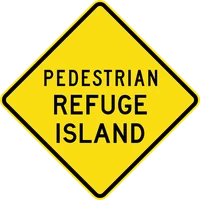
Pedestrian refuge island ahead
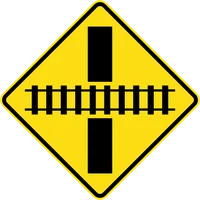
Railway level crossing ahead
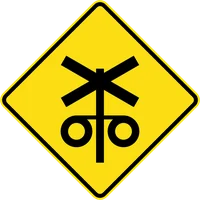
Railway crossing with flashing lights ahead
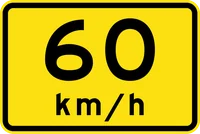
Advisory speed: safe maximum speed in good conditions

Hazard board: sharp change of direction, follow the chevrons

Hazard board: road ends, turn left or right
Road work signs
Temporary signs around works, detours and lane closures.
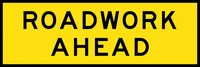
Roadwork ahead
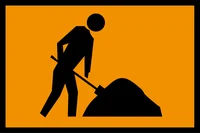
Road workers ahead
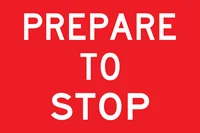
Prepare to stop
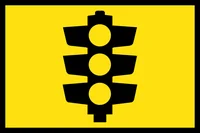
Temporary traffic signals ahead
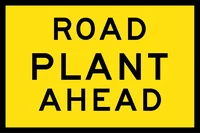
Road plant (machinery) ahead
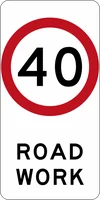
Roadwork speed limit 40 km/h
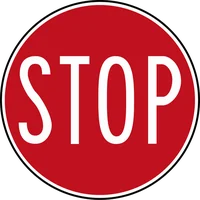
Traffic controller's sign: stop
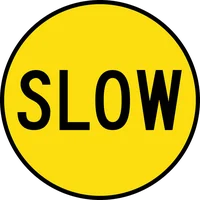
Traffic controller's sign: slow down and proceed
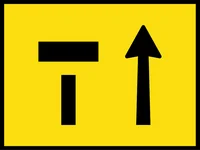
Left lane closed ahead
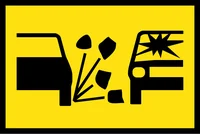
Loose stones: slow down
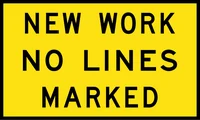
New work: no lines marked, take care overtaking
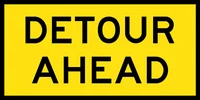
Detour ahead

Road closed
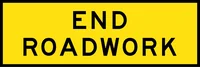
End of roadwork
Information signs
Directions, services, lanes and other useful information.
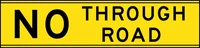
No through road
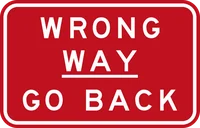
Wrong way, go back
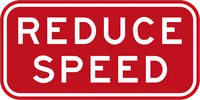
Reduce speed
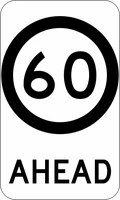
Speed limit 60 km/h ahead
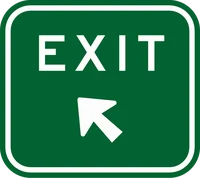
Motorway exit
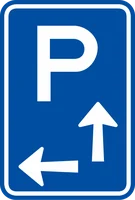
Parking area in the direction shown
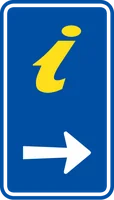
Tourist information in the direction shown
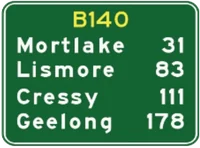
Distance sign: kilometres to towns ahead
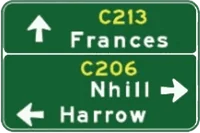
Intersection direction sign with route numbers
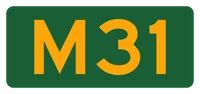
M route marker: motorway of national significance
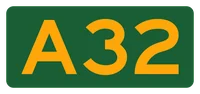
A route marker: road of national significance
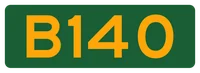
B route marker: road of state significance

Hospital
Guides
- NSW Hazard Perception Test (HPT): how it works, what it costs and how to prepareUnder 25? 10 months on your Ls first. Then 15 touch-screen clips: touch when you'd slow down, turn or overtake. How it works and how to prepare.12 min read
- Hook turn: what it is and how to do one in Melbourne, step by stepA right turn from the left lane, made to keep trams moving. When you must do one, the steps from rule 34, and when to go.9 min read
- NSW Driver Knowledge Test (DKT) practice test: pass mark, cost and 10 questions45 questions in person, or a course and test online from 15 years 11 months. Costs, ID, the eyesight test and 10 practice questions.10 min read
- NSW driving test: who can sit it, how it's scored and why people fail17, 12 months on your Ls, 120 logged hours and a Hazard Perception Test pass. Then 90% with no fail items on the drive.10 min read
Australia road signs FAQ
How many road signs are there in Australia?
Learner Lane covers 121 road signs used in Australia: 49 regulatory signs, 45 warning signs, 14 road work signs and 13 information signs. Your official handbook may group them a little differently.
What are the main types of road signs in Australia?
Regulatory signs tell you what you must or must not do, warning signs alert you to hazards ahead, road work signs mark temporary changes, and information signs give directions and services.
What's the fastest way to learn road signs?
Learn the shape and color of each type first, then the individual signs. Short daily practice and seeing the signs in real situations, like Learner Lane's 3D drives, help them stick.
Walk in ready. Pass first try.
Start free with the Road signs chapter, daily hazard clips and quiz questions. Unlock everything once, no subscription needed.
Scan with your iPhone camera to download