 United States
 road signs and their meanings
All 135 road signs a learner driver needs in the United States, grouped by type. Each sign shows its official design and what it means.
Road signs test: United States
20 real signs used in the United States, picked at random from all 135. Choose what each one means. You get a new set every time you play.
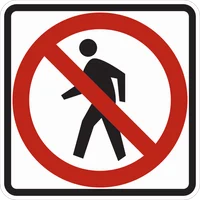
What does this sign mean?
Regulatory signs
Rules you must obey: stop, give way, speed limits, turns and parking.
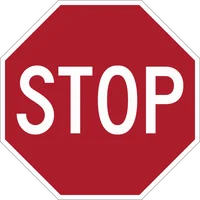
Stop
4-way stop rules: who goes first?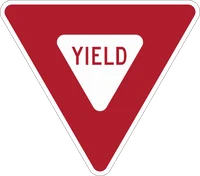
Yield
Yield sign: what it means and what to do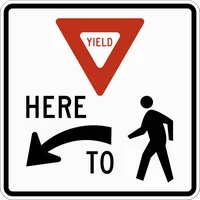
Yield here to pedestrians
State law: yield to pedestrians in crosswalk
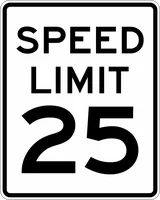
Speed limit 25 mph
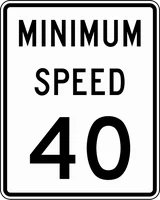
Minimum speed 40 mph
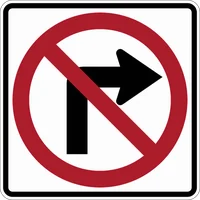
No right turn
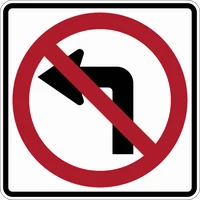
No left turn
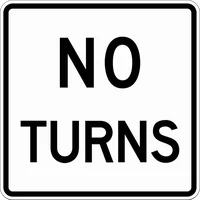
No turns
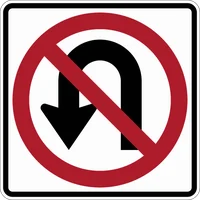
No U-turn
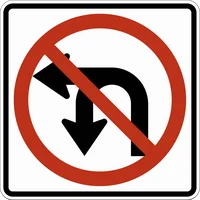
No left turn or U-turn
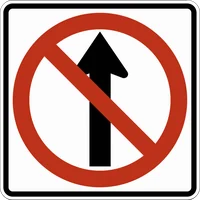
No straight ahead
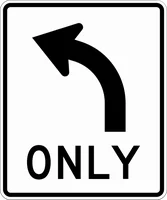
Left turn only lane
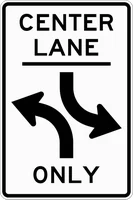
Center lane for left turns only
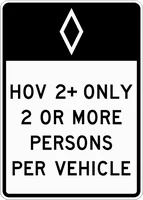
Carpool (HOV) lane, 2 or more people per vehicle
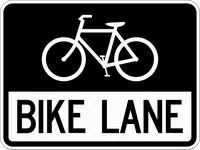
Bike lane
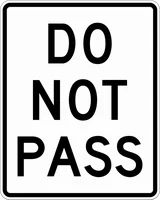
Do not pass
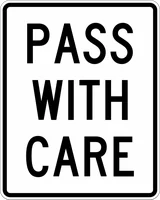
Pass with care
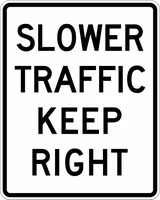
Slower traffic keep right
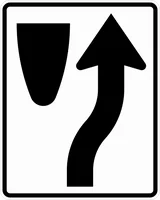
Keep right of median or obstruction
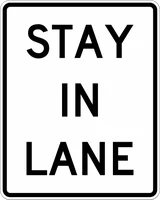
Stay in lane
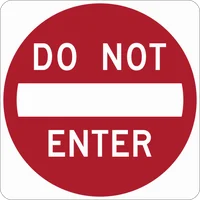
Do not enter
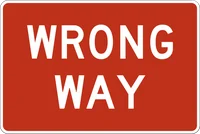
Wrong way
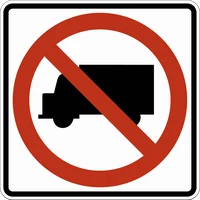
No trucks
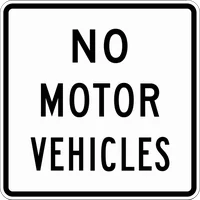
No motor vehicles
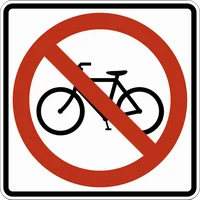
No bicycles
No pedestrian crossing
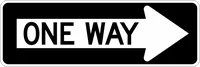
One way
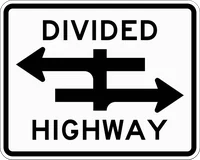
Divided highway crossing
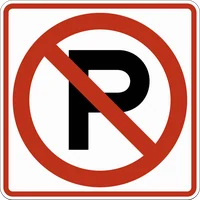
No parking
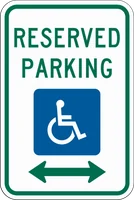
Parking reserved for people with disabilities
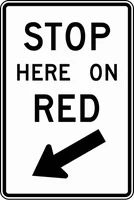
Stop here on red signal
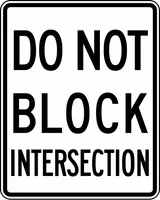
Do not block intersection
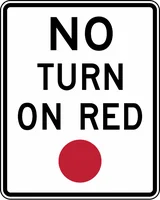
No turn on red
Right turn on red: when it's legal, and when it's not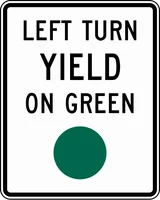
Left turn yield on green
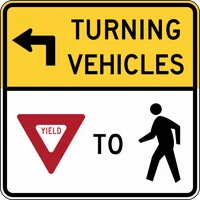
Turning vehicles yield to pedestrians
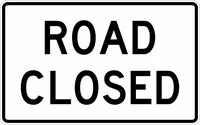
Road closed
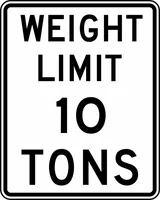
Weight limit 10 tons
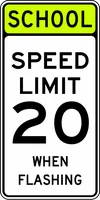
School speed limit 20 mph when lights flash
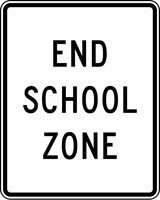
End school zone
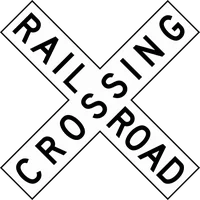
Railroad crossing (crossbuck)
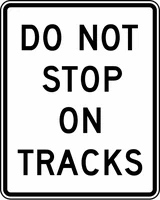
Do not stop on railroad tracks
Warning signs
Hazards and changes ahead, such as bends, junctions, crossings and animals.
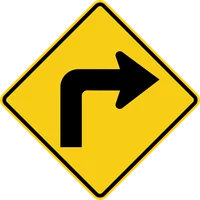
Sharp turn ahead
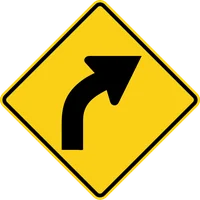
Curve ahead
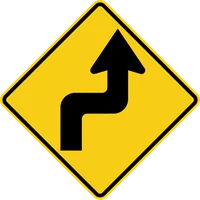
Sharp reverse turns ahead
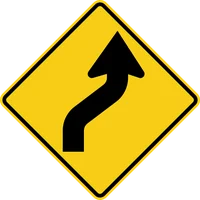
Reverse curves ahead
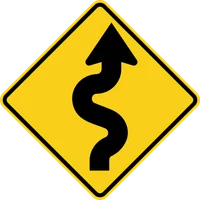
Winding road ahead
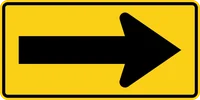
Sharp change in road direction (large arrow)
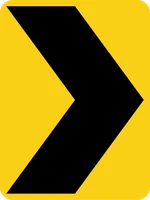
Chevron: sharp curve, follow the arrows
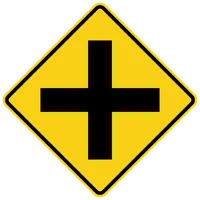
Crossroad ahead
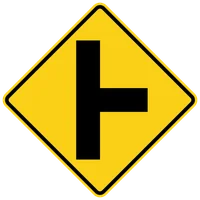
Side road ahead
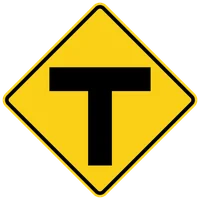
T-intersection ahead
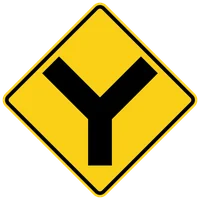
Y-intersection ahead
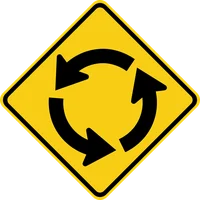
Roundabout ahead
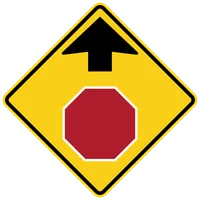
Stop sign ahead
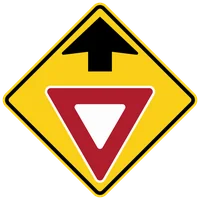
Yield sign ahead
Yield sign: what it means and what to do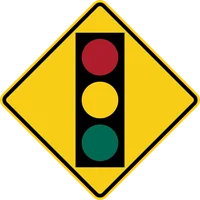
Traffic signal ahead
Flashing red light: what it means and what to do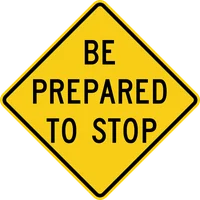
Be prepared to stop
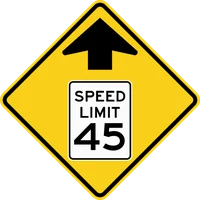
Reduced speed limit ahead
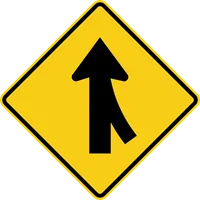
Merging traffic ahead
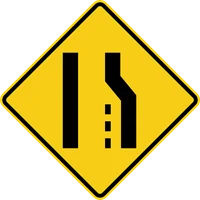
Lane ends, merge left
Zipper merge: what it is, when to do it, and is it the law?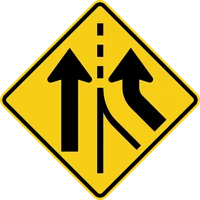
Added lane ahead
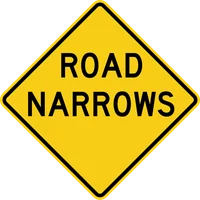
Road narrows
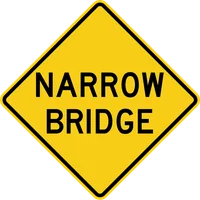
Narrow bridge
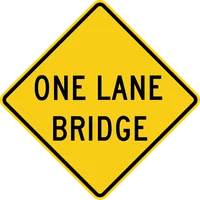
One lane bridge
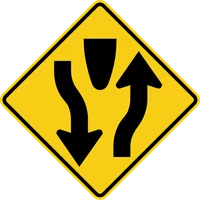
Divided highway begins
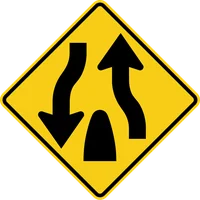
Divided highway ends
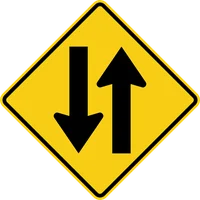
Two-way traffic ahead
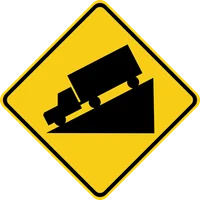
Steep downgrade ahead
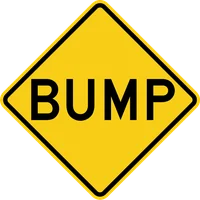
Bump in road
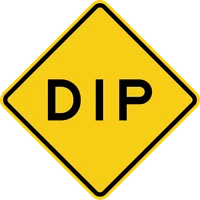
Dip in road
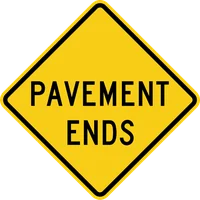
Pavement ends
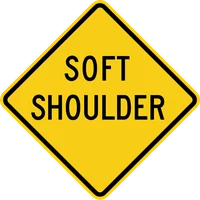
Soft shoulder
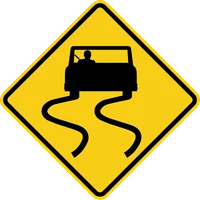
Slippery when wet
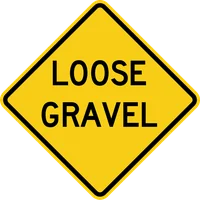
Loose gravel
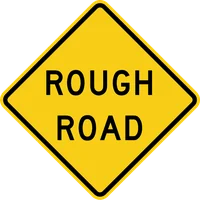
Rough road
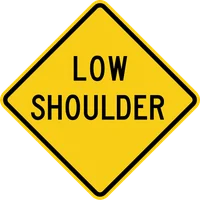
Low shoulder
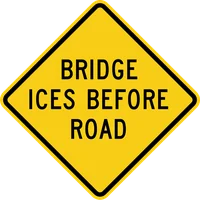
Bridge ices before road
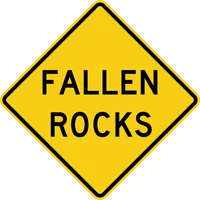
Fallen rocks
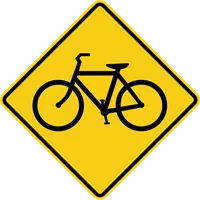
Bicycle crossing ahead
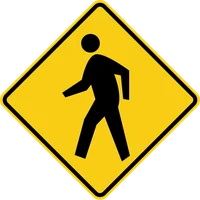
Pedestrian crossing ahead
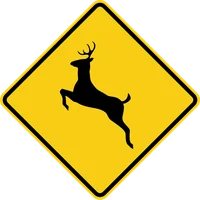
Deer crossing
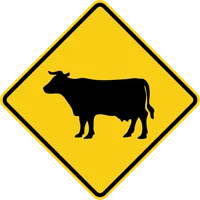
Cattle crossing
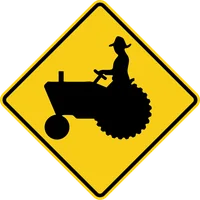
Farm vehicles crossing
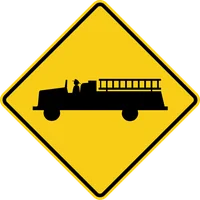
Fire station: emergency vehicles entering
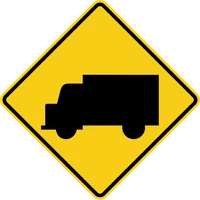
Truck crossing
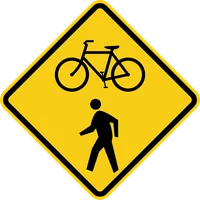
Trail crossing (bicycles and pedestrians)
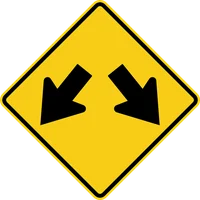
Traffic may pass on either side
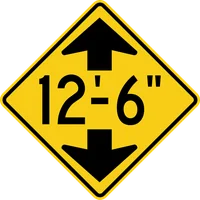
Low clearance (overhead height limit)
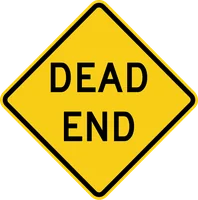
Dead end
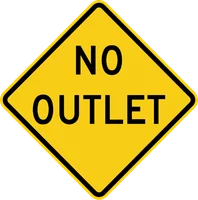
No outlet
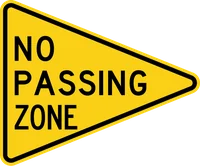
No passing zone
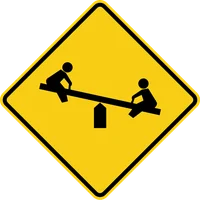
Playground ahead
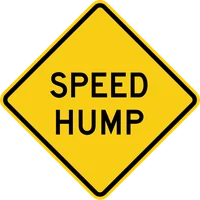
Speed hump
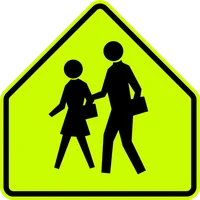
School zone ahead
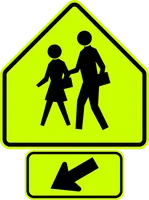
School crossing
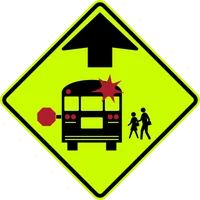
School bus stop ahead
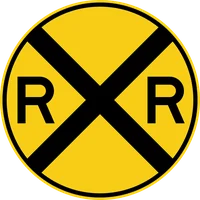
Railroad crossing ahead
Road work signs
Temporary signs around works, detours and lane closures.
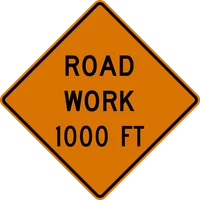
Road work ahead
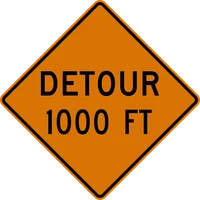
Detour ahead
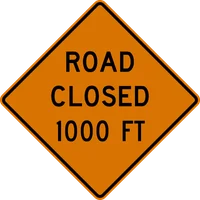
Road closed ahead
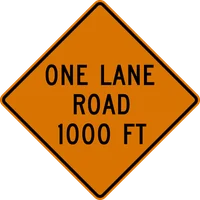
One lane road ahead
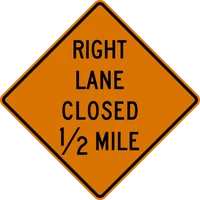
Right lane closed ahead
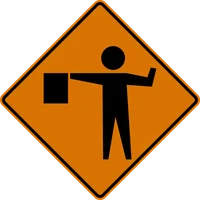
Flagger ahead
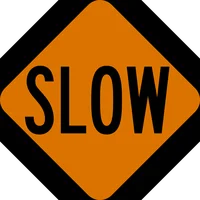
Slow (flagger's stop/slow paddle)
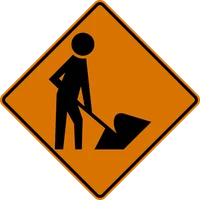
Workers ahead
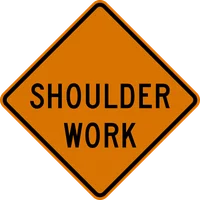
Shoulder work ahead
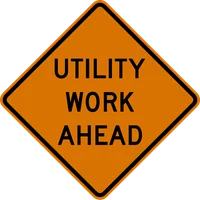
Utility work ahead
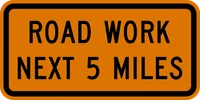
Road work zone for the next 5 miles
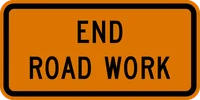
End road work
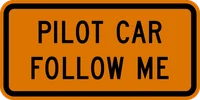
Pilot car: follow me
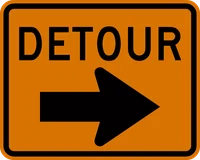
Detour: follow the arrow
Information signs
Directions, services, lanes and other useful information.
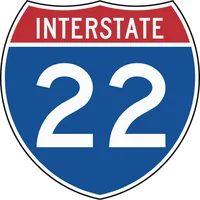
Interstate route marker
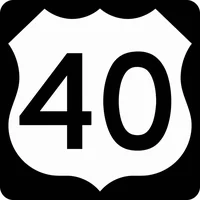
US route marker
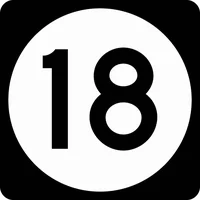
State route marker
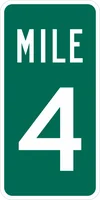
Mile marker
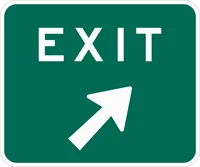
Freeway exit (exit gore sign)
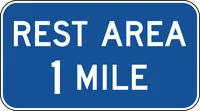
Rest area ahead
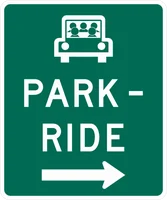
Park and ride lot
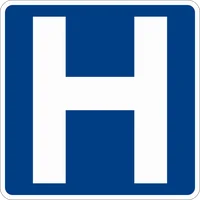
Hospital
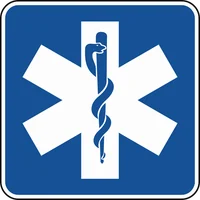
Emergency medical services
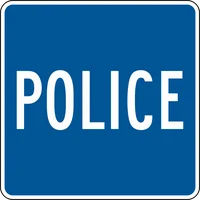
Police
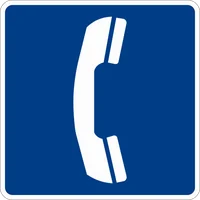
Telephone
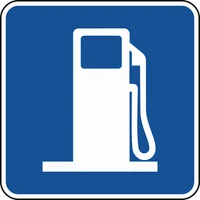
Gas station
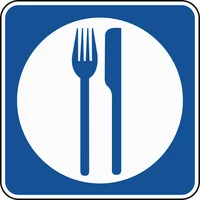
Food
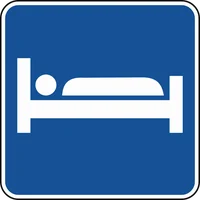
Lodging
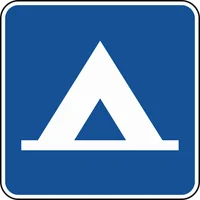
Camping
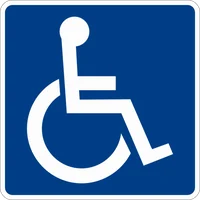
Facilities accessible to people with disabilities
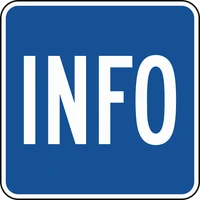
Tourist information
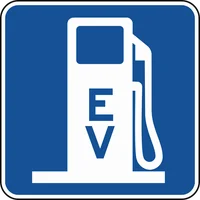
Electric vehicle charging
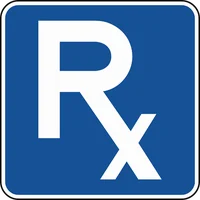
Pharmacy
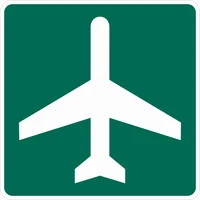
Airport
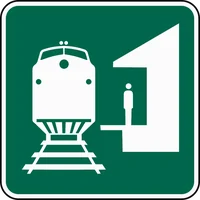
Train station
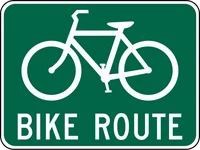
Bike route
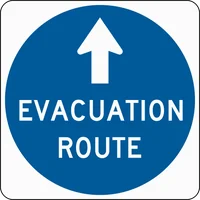
Evacuation route
Guides
- Practice test for your permit: how to get ready for test dayA dry run at the written permit test: what a practice test for your permit covers and how to use one so it helps.6 min read
- The New York road test: what to bring and what to expectThe documents the New York DMV asks for, what the examiner watches, and how to practice the roads around your DMV.6 min read
- DMV exam practice test: free questions and how to use themA dry run at the written permit test: what a DMV practice test covers, and how to use one.6 min read
- Yield sign: what it means and what to doSlow down, be ready to stop, and let others go first. Plus yield vs stop, yield ahead and shark's teeth.5 min read
- Flashing red light: what it means and what to doTreat it like a STOP sign. Plus flashing yellow, the flashing yellow arrow, stale greens and dead signals.6 min read
- Zipper merge: what it is, when to do it, and is it the law?Use both lanes, then take turns at the merge point. When it applies, when to merge early, and where it's the law.6 min read
- Right of way rules: who goes first, at every kind of intersectionUncontrolled and T intersections, left turns, crosswalks, roundabouts and emergency vehicles, in one place.7 min read
- What to bring to your driving test: the full checklist (US and UK)Documents, the car and the checks it has to pass, for DMV road tests and the UK practical test.7 min read
- 4-way stop rules: who goes first?First to stop goes first, ties go to the right, and left turns wait. Every case, with examples.6 min read
- Right turn on red: when it's legal, and when it's notLegal in all 50 states after a full stop, with three big exceptions every learner should know.5 min read
- How to pass your road test the first time: 15 tipsWhat examiners score, the instant fails, and 15 habits that get you a pass the first time.8 min read
- Driving anxiety as a learner: 12 ways to feel calmer behind the wheelWhy learning to drive feels scary, and 12 practical ways to build confidence one small step at a time.7 min read
United States road signs FAQ
How many road signs are there in the United States?
Learner Lane covers 135 road signs used in the United States: 42 regulatory signs, 56 warning signs, 14 road work signs and 23 information signs. Your official handbook may group them a little differently.
What are the main types of road signs in the United States?
Regulatory signs tell you what you must or must not do, warning signs alert you to hazards ahead, road work signs mark temporary changes, and information signs give directions and services.
What's the fastest way to learn road signs?
Learn the shape and color of each type first, then the individual signs. Short daily practice and seeing the signs in real situations, like Learner Lane's 3D drives, help them stick.
Walk in ready. Pass first try.
Start free with the Road signs chapter, daily hazard clips and quiz questions. Unlock everything once, no subscription needed.
Scan with your iPhone camera to download